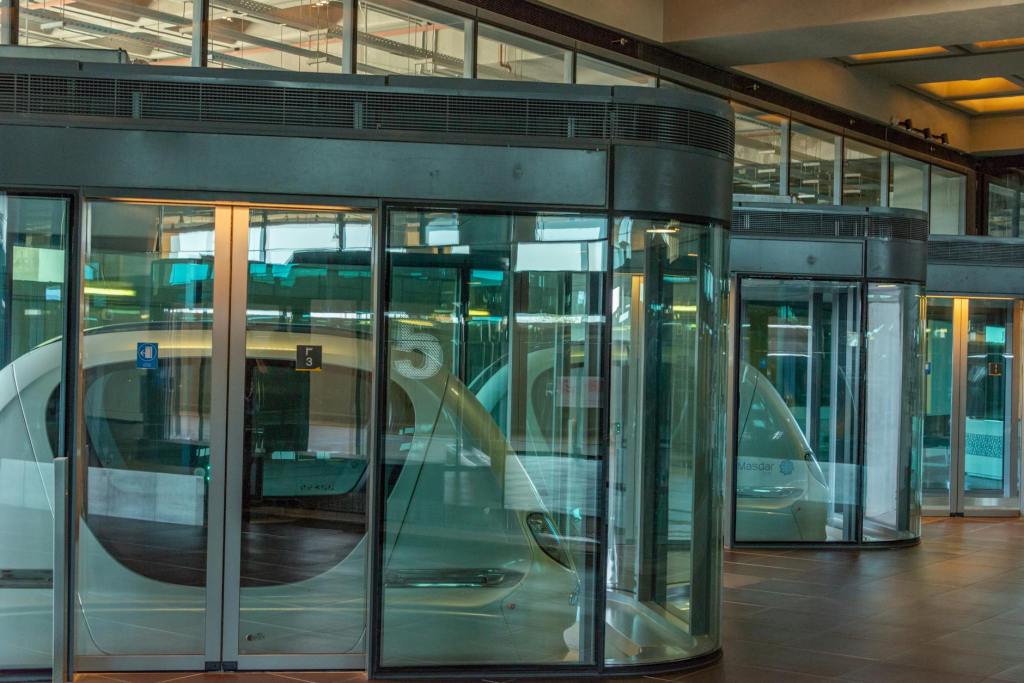
In today’s fast-paced world, automatic door technology is no longer just a convenience—it’s a necessity. From healthcare facilities to retail outlets and smart homes, automatic doors are redefining how we interact with architectural spaces. The latest innovations are enhancing efficiency, security, hygiene, and user experience, setting new benchmarks for intelligent access solutions.
AI-Powered Smart Doors: The Next Frontier
The integration of artificial intelligence (AI) into automatic door systems is a game-changer. These AI-enhanced doors can now adapt in real-time to environmental factors, traffic patterns, and user behaviour.
Using advanced machine learning algorithms, smart doors can:
- Adjust opening and closing speeds based on human traffic flow.
- Distinguish between objects and people to prevent unnecessary openings.
- Optimise energy consumption by reducing heat and air conditioning loss.
Furthermore, AI-driven predictive maintenance alerts facility managers to potential issues before they lead to failures, improving uptime and safety across all environments.
Touchless Technology for a Post-Pandemic World
The demand for contactless solutions has surged, particularly in healthcare, food manufacturing, and public infrastructure. Automatic doors now employ a variety of sensor-based activation systems such as:
- Infrared motion sensors
- Gesture recognition
- Facial recognition
- Mobile app-controlled entry
These touchless systems ensure high standards of hygiene while providing seamless, intuitive access, especially in high-traffic environments like airports, hospitals, and shopping centres.
Energy Efficiency and Environmental Responsibility
Modern automatic door technology is also geared towards sustainability. Manufacturers are prioritising energy-efficient designs that minimise power usage without compromising performance. Features include:
- Thermal insulation panels to prevent air leakage
- Low-power standby modes
- Integration with smart HVAC systems for optimised climate control
These doors help reduce the building’s carbon footprint and support compliance with green building standards such as LEED and BREEAM.
Seamless Integration with Smart Building Ecosystems
With the rise of smart buildings, automatic doors now play a central role in interconnected infrastructures. New systems can be integrated into:
- Building Management Systems (BMS)
- Security and access control systems
- Fire safety protocols
- Emergency evacuation plans
Through IoT connectivity, doors can respond to real-time inputs from various sensors—allowing complete control, visibility, and automation from a single platform.
Biometric Access and Enhanced Security Protocols
Security has taken a quantum leap forward with the introduction of biometric-enabled automatic doors underwood. These doors provide high-level authentication through:
- Fingerprint scanners
- Iris recognition
- Facial recognition software
Used primarily in high-security environments such as data centres, research labs, and corporate facilities, these innovations offer unmatched access control, reducing the risk of unauthorised entry.
Innovative Materials and Design Aesthetics
Beyond functionality, modern automatic doors are now built with cutting-edge materials that offer both durability and design flexibility. Recent trends include:
- Frameless glass doors for a sleek, contemporary look
- Anti-bacterial coatings for healthcare applications
- Custom finishes to align with architectural themes
- Lightweight alloys that reduce wear on mechanical components
Designers and architects now have the freedom to integrate aesthetic appeal with high-performing technology.
Adaptive Speed and Traffic Management
In spaces with fluctuating foot traffic, adaptive-speed technology is revolutionising door operation. Advanced sensors analyse:
- Real-time crowd density
- Peak operational times
- Emergency usage scenarios
This data allows the door system to adjust its operation dynamically, thereby increasing efficiency, minimising wait times, and ensuring smooth traffic flow even during high-demand periods.
Noise Reduction and Accessibility Enhancements
Automatic door technology is also making strides in acoustic control and accessibility. Key developments include:
- Whisper-quiet operation for noise-sensitive environments
- Voice-activated systems for users with mobility limitations
- Customisable opening widths and hold times
These improvements cater to universal design principles, ensuring inclusivity for all users, including the elderly and those with disabilities.
Remote Monitoring and Predictive Maintenance
Thanks to cloud connectivity and edge computing, building managers can now:
- Monitor door activity remotely
- Access diagnostics and usage analytics
- Receive real-time alerts for irregular performance
Predictive maintenance models also forecast mechanical wear and signal the need for servicing, drastically reducing downtime and extending the life of the system.
Leading Innovators and Global Trends
Companies such as ASSA ABLOY, GEZE, Record, and Dormakaba are at the forefront of automatic door innovation. Industry trends show increasing adoption of:
- Solar-powered door systems
- Modular door systems for scalable installations
- Voice-assist integrations compatible with Alexa and Google Assistant
As global demand rises, innovations continue to evolve with a strong focus on user safety, convenience, and operational intelligence.
Conclusion: The Future of Entry is Smart, Safe, and Sustainable
Automatic door technology is no longer static—it is a dynamic, intelligent system that forms the backbone of modern architecture. With continuous advancements in AI, IoT, biometrics, and sustainable design, the future of access control is set to become even more sophisticated. Whether for commercial, industrial, or residential use, investing in the latest automatic door technology delivers benefits that extend beyond convenience to encompass security, efficiency, and environmental responsibility.




 Lifestyle AU News
Leave a comment