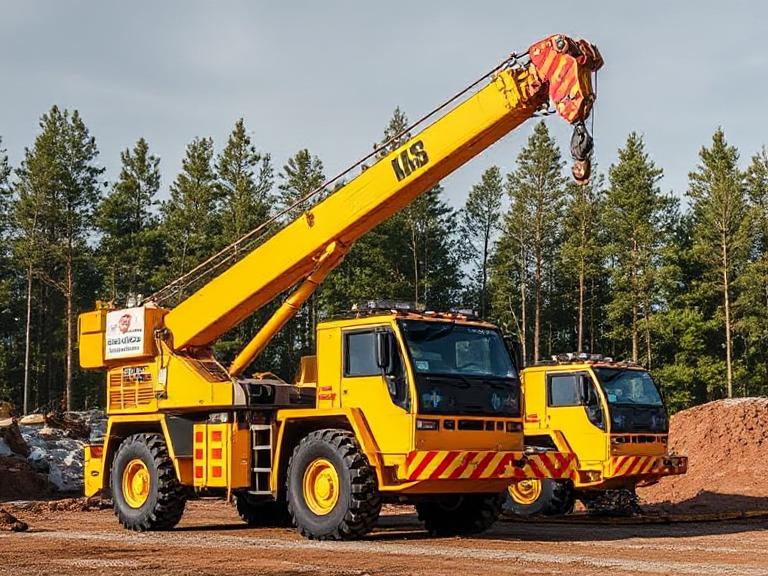
Have you ever wondered how massive structures like skyscrapers, huge bridges, or mining installations are built in tough environments? Do you picture gigantic machines steadily lifting enormous loads to great heights, even in remote areas or on rugged ground? If so, you’re in the right place. Today, we’ll be talking about one of the most adaptable lifting solutions in Australia’s construction and resource sectors: all terrain cranes.
This blog post aims to explain everything you need to know about these impressive machines. We’ll get stuck into the main features of all terrain cranes, how they stand out from other crane types, and why they’re prized for their versatility. We’ll also look at the key industries where they shine, especially in Australia’s diverse landscapes. By the end, you’ll understand their unique value in projects big and small.
What’s more, we’ll talk about the practical side: should you hire or buy? Which safety standards matter most? How can you pick the right keywords if you’re an SEO-conscious crane service provider? Plus, we’ll answer a few of the top questions people often ask. So, get comfortable and let’s explore the fascinating world of all terrain cranes.
All Terrain Cranes: An Overview
Short answer: an all terrain crane is a single machine designed to tackle the demands of both rough country sites and smooth city roads. But that’s only half the story. These robust cranes come equipped with features that make them as comfortable on a highway as they are on an uneven outback track.
What Are All Terrain Cranes?
All terrain cranes are multi-axle machines that combine the off-road prowess of a rough terrain crane with the speed and highway-friendliness of a truck-mounted crane. Their unique setups usually include all-wheel drive, advanced suspension systems, and telescopic booms that offer impressive lifting capacities. They can travel at moderate speeds on public roads and then glide over rocky or muddy ground at the jobsite. For Australian operators, this flexibility is golden, especially considering the wide variations in climate and geography across the continent.
Key Features and Capabilities
These cranes typically feature multiple steering axles, making them surprisingly manoeuvrable for their size. Their large tyres are designed for traction on different surfaces—be it gravel, sand, or paved roads. Depending on the model, some can handle loads of several hundred tonnes. Modern all terrain cranes also come with advanced control systems that enhance precision and safety. Thanks to hydraulic setups and telescopic booms, they can lift large loads to impressive heights, sometimes up to 100 metres or more.
How Do They Differ from Other Crane Types?
Construction sites often use crawler cranes, rough terrain cranes, or truck-mounted cranes. Yet all terrain cranes offer an all-in-one approach: they operate effectively in tricky off-road conditions like rough terrain cranes do, but they also provide swift road travel much like truck-mounted cranes. This means reduced downtime for transporting equipment, as one vehicle can serve multiple roles. In many ways, all terrain cranes are the best of both worlds.
Why Versatility Matters
The word “versatile” might sound like a catch-all phrase, but it has real meaning here. All terrain cranes are crucial for projects that move through varying site conditions and weather patterns. Think of big infrastructure jobs that stretch from urban zones to rural areas, or large-scale undertakings that require both on-road travel and rough-surface lifting.
Navigating Diverse Australian Terrain and Climate
Australia is a land of extremes. From scorching temperatures in the interior to cooler, stormier climates in coastal regions, crane operators need machines that can handle it all. All terrain cranes fit the bill. Their specialised suspension, combined with superior steering control, means they can manage sand, hills, outback roads, and everything in between. Plus, many models are built to tolerate severe weather changes, whether it’s high humidity or sudden temperature drops.
Maximising Operational Efficiency
Time is money in construction, mining, and energy projects. Sending separate machines for road travel and on-site work can be costly and time-consuming. An all terrain crane eliminates that need, as it handles both functions with ease. In turn, you lower transport costs, streamline logistics, and reduce potential delays. This is particularly beneficial for large-scale tasks where any hiccup can set the timetable back significantly. It all adds up to improved productivity and a smoother workflow.
Key Applications in Australia
All terrain cranes feature heavily across multiple projects in Australia. They’ve become the go-to choice where heavy lifting meets demanding or changing environments. From sprawling city developments to remote outback digs, these cranes show off their strength day in and day out.
Construction and Infrastructure Projects
Whether it’s building a new freeway, constructing high-rises in major cities, or upgrading transport networks, all terrain cranes are widely used. They can arrive at an urban site by road, get set up swiftly, and then lift huge steel beams, pre-fabricated sections, or heavy machinery into position. Their mobility and considerable lifting ranges make them a staple of construction and public works across Australia.
Mining and Resource Developments
In mining regions, access roads can be rough, dusty, or muddy after rain. All terrain cranes excel here, thanks to their large tyres and robust engineering. They help with installing and maintaining massive mining equipment, from crushers and conveyor systems to oversize tanks. These cranes also aid in emergency repairs by arriving swiftly and dealing with heavy-duty requirements on the spot.
Specialised Energy and Industrial Projects
Renewable energy installations—like wind farms—often appear in remote or hilly locations. All terrain cranes support assembly tasks, transporting themselves quickly from one turbine site to another. They’re equally valuable in oil and gas facilities or hydroelectric projects. In each scenario, the combination of road-legal travel and heavy off-road lifting helps projects move forward without delay.
Hiring or Buying an All Terrain Crane
Choosing between hiring or buying an all terrain crane hinges on various factors. For some operators, consistent usage and long-term projects might justify buying outright. Others prefer hiring for short-term or irregular tasks. Either way, it’s essential to evaluate load capacities, safety standards, and overall costs before making a decision.
Evaluating Load Capacities
When exploring all terrain cranes, “evaluating load capacities” is often a high volume keyword. That’s no surprise, as load capacity is a critical factor. It determines the crane’s suitability for particular jobs and the scope of work it can safely handle. Always verify the manufacturer’s specifications and consider whether you’d need the crane for heavier lifts anticipated in the future. This forward-thinking approach helps you avoid underpowered equipment or expensive upgrades.
Safety Standards and Compliance
In Australia, safety regulations around crane operations are strict, and for good reason. From operator certification to machine maintenance logs, everything needs to meet specific standards. Anyone looking to buy or hire an all terrain crane should check for compliance with local guidelines, such as Safe Work Australia’s recommendations. Adhering to these protocols not only reduces accidents but also builds trust with clients who value safety and accountability.
Maintenance and Lifecycle Costs
The total cost of ownership involves more than just the purchase or hire fee. Maintenance, insurance, fuel, and parts all contribute to the bottom line. Regular servicing ensures that the crane remains reliable and extends its useful life. On the hiring front, rental agreements often include basic maintenance, which can be a big plus if you’re looking to reduce unexpected repairs. Always weigh these factors against project timelines to see which option works best.
Top Questions About All Terrain Cranes
Enquiring minds have plenty of questions about all terrain cranes. It’s always a good idea to check out common People Also Ask (PAA) queries to tailor your marketing or informational materials. Let’s tackle a few that come up most often.
How Much Does It Cost to Hire or Own an All Terrain Crane?
Costs swing widely based on crane size, brand, and service agreements. Hourly or daily hire rates may start in the hundreds of dollars and go higher for more capable units. Buying a new crane can be a multimillion-dollar investment, though used options may be cheaper. Taking into account maintenance, insurance, and operator training is key to fully understanding long-term expenses.
Which Models Are Best for Australian Conditions?
Brands like Liebherr, Grove, Demag, and Tadano all offer models geared for tough terrains. The “best” model depends on your lifting needs, budget, and project scale. Some machines excel in high-capacity lifts, while others focus on manoeuvrability. Checking local dealerships or discussing with industry experts is a good move if you need tailored recommendations.
What Licences and Permits Do I Need?
In most Australian states, operators must hold a High-Risk Work Licence suited to crane operation. Additional permits might be needed if you plan to transport the crane over certain roads or highways, especially if the crane’s weight or dimensions exceed standard limits. Always verify requirements with your state authority to avoid legal issues and possible fines.
Expert Tips for Successful Crane Operations
Safe and efficient crane operations don’t happen by luck. It takes planning, technical knowledge, and the right team. Here are some expert pointers to keep in mind, whether you’re a seasoned crane user or just stepping into this space.
Planning, Logistics, and Site Preparation
Before you move a crane to the site, conduct a thorough assessment of ground conditions, overhead clearance, and any potential hazards. Mark your lift radius clearly and communicate it to everyone on site. Allocate enough time for crane setup and positioning, especially in cramped spaces. If the project spans multiple locations, map out the transport route in advance to avoid unexpected roadblocks or weight restrictions.
Maintenance Best Practices
Preventive maintenance is everything. Regular checks on key components—such as the boom, hydraulic systems, and tyres—help detect wear-and-tear before it becomes a safety risk. Follow the manufacturer’s recommended service intervals, keep accurate maintenance logs, and replace or repair parts promptly when needed. In this way, you reduce downtime and keep the crane operating at peak performance.
Operator Training and Certification
Operating a crane takes skill, focus, and specialised training. Make sure your operators hold valid licences that align with your state’s regulations and the crane’s specifications. Continuous training, including refreshers and safety drills, ensures that operators stay updated on best practices and evolving technologies. Remember to encourage open communication, so operators can report potential issues early.
Client Pain Points and How to Solve Them
Customers looking for crane services often have specific concerns. Addressing these pain points openly can help you stand out from competitors. After all, providing peace of mind is just as important as offering powerful machinery.
Reducing Downtime and Avoidable Delays
Downtime can cost a fortune. If the crane shows up late to the job, or if the rigging isn’t laid out properly, the whole schedule suffers. To minimise delays, maintain good communication from quoting to final delivery. Supply clients with clear checklists, timelines, and expectations. That way, everything from site preparation to final sign-off runs more smoothly.
Ensuring Safety and Compliance
No one wants accidents on their watch. Safety is paramount, so make sure that the crane, operators, and the site all comply with local requirements. Providing transparent information about ongoing inspections and operator certifications can put clients at ease. When clients see you taking safety seriously, they’re more likely to trust you with future jobs.
Budget-Friendly Yet High-Quality Solutions
Another major worry is cost-effectiveness. Clients want the best crane service they can find without breaking the bank. Offering flexible hire packages, bundle deals, or loyalty discounts can be a big help. Highlight exactly what’s included in your fees—whether it’s comprehensive insurance, emergency callouts, or round-the-clock support—so they understand the full value you bring.
Conclusion
Ultimately, all terrain cranes offer a remarkable blend of mobility, lifting power, and adaptability. They’re built to travel on regular roads, but they also excel in challenging landscapes like Australia’s outback. Their reliability in diverse conditions makes them a go-to choice for projects across construction, mining, and specialised energy fields.
Whether you plan to buy or hire, taking the time to evaluate load capacities, safety standards, and your own project requirements is critical. After all, an all terrain crane represents a significant investment—one that can pay off handsomely if you choose wisely. By considering maintenance costs, operator training, and regulatory compliance upfront, you lay the groundwork for safe and efficient operations.
So, if you’re thinking about adding an all terrain crane to your fleet or partnering with a crane service provider, you now have a clearer view of what to expect. With the right planning and the right team, these cranes can truly unlock new project possibilities, wherever your next job may take you.
For more information, available at https://lifestyleau.news.blog





 Lifestyle AU News
Leave a comment