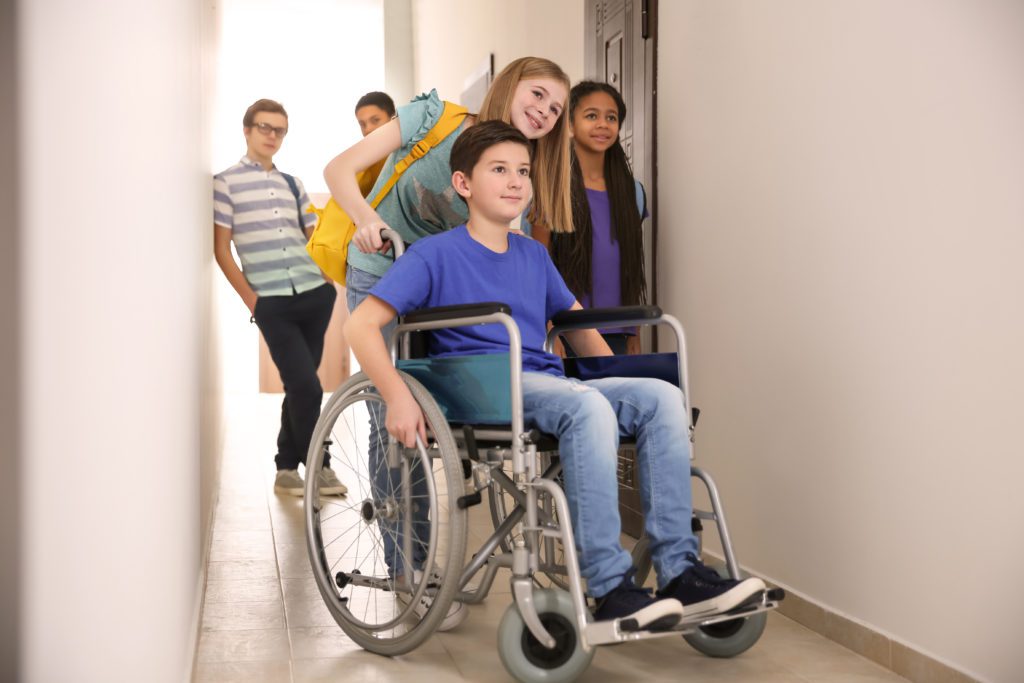
Over the years, the perception and realization of “home living” have evolved markedly. Today, the discussion around residential spaces is centered around the concept of ‘supported independent living’. The idea offers a platform that respects individuality and independence while providing required support and assistance to fulfill personal needs. As the necessity grows and the understanding of these living spaces matures, we notice a paramount player making a profound impact – technology.
Technology affects all spheres of life and independent living spaces are no exception. It is playing a significant role in transforming and evolving the current scenario of supported independent living, promising a more customized and comfortable future. The most commendable fact about its integration is the creation of an inclusive ecosystem that caters not only to the fit and healthy but also to those with disabilities or old age illnesses.
The Evolution of Supported Independent Living
Originally, the concept of supportive independent living can be traced back to elders’ residences or spaces designed for individuals with physical or mental disabilities. These spaces were traditionally equipped with physical aids, customized infrastructure, and support personal to assist in daily activities.
However, the constant development in technology enabled the integration of digital aids and resources into these living spaces. The infusion of technology in supported independent living services aims to make daily tasks easier, promote self-help, and empower residents with independence and control over their lives.
Breakthrough Technologies Changing the Face of Independent Living
In the vanguard of transformative technologies, the Internet of Things (IoT) is proving to be a gamechanger. IoT offers a new layer of interaction within the household by connecting appliances and devices to the Internet, empowering the user to control them remotely via mobile apps.
Furthermore, Virtual Reality (VR) and Artificial Intelligence (AI) are marking their presence. VR provides interactive sessions that stimulate cognitive processes, and AI-powered personal assistants answer requests, provide reminders for medications, or execute commands via speech recognition. Applications of these technologically advanced equipments are diversifying and expanding towards enhancing the quality of life.
Detailed Analysis of Significant Tech Innovation
In this paradigm trend of independent living, Robotic technology emerges as a remarkable asset. From robotic vacuum cleaners to machines that dispense medication, they are designed to handle trivial but important daily chores efficiently.
Moreover, the concept of Smart Homes is redefining independent living. These homes incorporate technologically updated appliances, sensory settings for lights, ACs, etc., improving the ease of liveability. Virtual Assistants like Google Home, Amazon’s Alexa are revolutionizing daily life by assisting in setting reminders, controlling devices, or even ordering groceries online.
Implications of Technology Adoption on Residents
While technology offers promise, it’s essential to understand the implications it might have on the residents of independent living spaces. Personally, it encourages a sense of control and confidence among residents by enabling them to handle tasks independently. It also aids in enhancing their health management through prompts for medication, remote health monitoring, and emergency alerts.
Socio-culturally, it brings a feeling of inclusivity by breaking the barriers of age or disability and reinforces the importance of everyone’s self-reliance. However, the adoption of technology might be a challenge for many who have hesitation or fear towards it.
Bridging the Digital Divide: How Everyone Can Benefit from Technology
The biggest challenge to technology integration in supportive independent living is the digital divide. The unfamiliarity or hesitation around technology can be resolved by providing adequate training and ensuring easily accessible support. Adequate steps towards nurturing digital literacy among residents can ensure that everyone can benefit from these advancements.
Future of Supported Independent Living: What’s Next?
The future of independent living, given the progressive pace of technology, seems exciting, inclusive, and sustainable. Experts predict an increasing role of AI and machine learning in refining and personalizing assistance offered to residents. The design of these living spaces will be more sustainable with the seamless integration of solar energy, water recycling, and waste management systems.
Conclusion
The embracing of technology in independent living spaces appears inevitable. The journey still has challenges, but the rewards it offers in terms of improved quality of life and enhanced self-reliance render it worthwhile. As we step towards the future, the thought is not about whether we should accept this change, but how quickly we can adapt to it for the better.


 Lifestyle AU News
Leave a comment