
A reliable supply of hot water is essential for comfort and convenience in any home. If you’re considering a hot water heater installation, understanding the process, costs, and benefits is crucial. Whether you’re replacing an old unit or installing one in a new home, this guide will walk you through everything you need to know about choosing, installing, and maintaining a hot water heater. Let’s dive into the world of efficient hot water solutions!
Why Proper Hot Water Heater Installation Matters
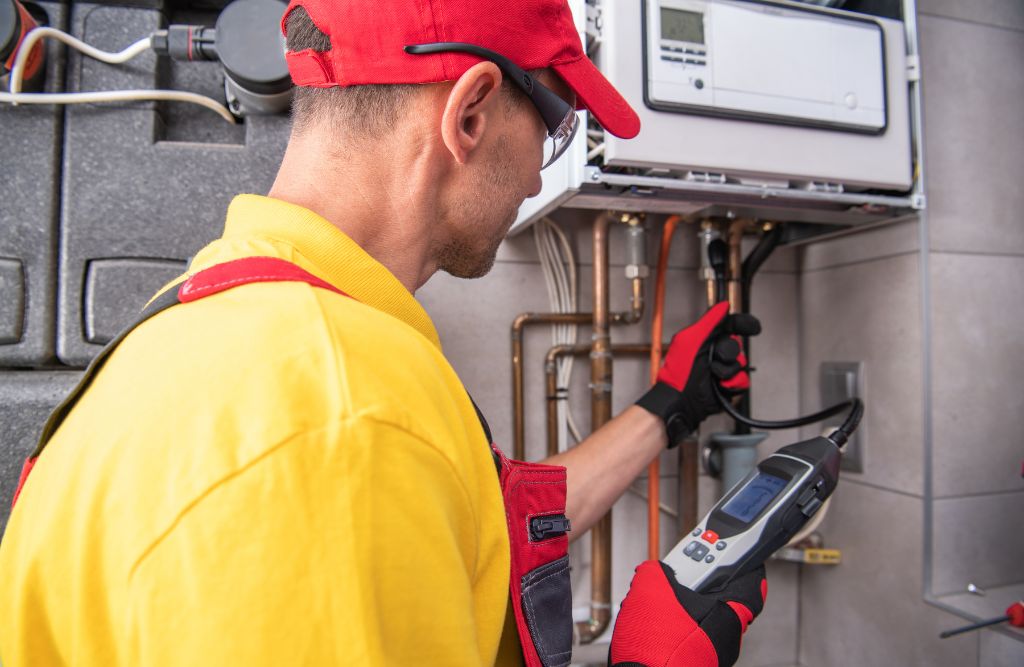
A professional hot water heater installation goes beyond simply connecting pipes and turning on the power. Proper installation ensures:
Safety: Prevents leaks, electrical hazards, and even potential explosions.
Efficiency: Maximizes energy use and minimizes utility bills.
Longevity: Extends the lifespan of your water heater with correct setup and maintenance.
Code Compliance: Ensures the installation meets local building codes and regulations.
A poorly installed water heater can lead to costly repairs and even void your warranty. That’s why understanding the installation process or hiring a qualified professional is so important.
Types of Hot Water Heaters
Before beginning a hot water heater installation, it’s important to choose the right type for your needs:
Tank Water Heaters: The most common type, storing and heating a large volume of water.
Tankless Water Heaters: Heat water on-demand, offering energy savings and endless hot water.
Heat Pump Water Heaters: Use electricity to move heat from the air or ground to heat water.
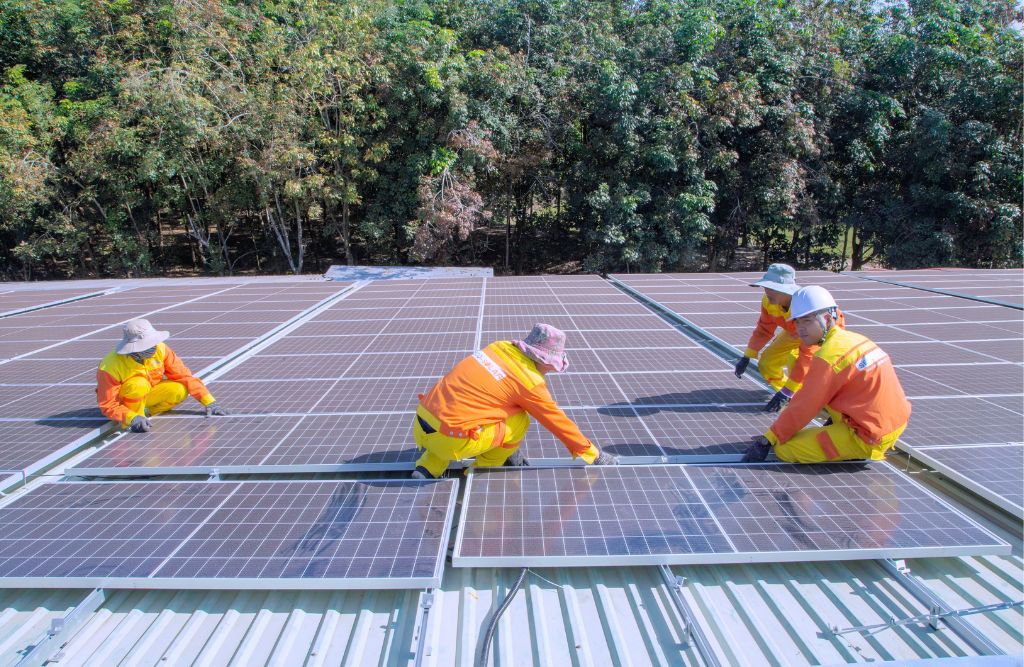
Solar Water Heaters: Harness solar energy for eco-friendly hot water.
Each type has its own installation requirements and benefits, so consider your home’s size, energy usage, and budget when deciding.
Steps Involved in Hot Water Heater Installation
Hot water heater installation can be a complex task. Here’s a general outline of the steps professionals follow:
Assessment and Removal
Inspect the existing unit (if applicable) and disconnect water, gas, or electrical lines.
Drain and safely remove the old water heater.
Preparation
Measure space to ensure the new heater fits.
Upgrade plumbing or electrical connections if needed.
Positioning the New Heater
Place the new water heater in the designated area, ensuring proper clearance and ventilation.
Hookups
Connect water supply lines, ensuring no leaks.
Attach gas or electrical wiring safely and in accordance with local codes.
Testing
Fill the tank and check for leaks.
Test the heating function and safety features.
Finishing Touches
Insulate pipes to improve efficiency.
Review the manufacturer’s instructions for optimal performance.
If you’re tackling a DIY hot water heater installation, always consult the manual and consider hiring a professional for gas or electrical connections.
Costs of Hot Water Heater Installation
The cost of hot water heater installation varies depending on several factors:
Type and Size: Tankless units tend to cost more upfront but save money long-term.
Labor: Professional installation ensures safety and code compliance.
Materials: Additional pipes, fittings, or electrical upgrades can add to the price.
Location: Accessibility of your installation area may affect labor costs.
On average, homeowners can expect to pay between $800 and $2,500 for a complete hot water heater installation, including the cost of the unit.
Common Mistakes to Avoid
While hot water heater installation might look straightforward, these common mistakes can lead to problems:
Incorrect Sizing: Choosing a unit that’s too small or too large for your household.
Ignoring Local Codes: Not securing permits or following regulations.
Improper Venting: Can lead to dangerous carbon monoxide buildup.
Skipping Pressure Relief Valve Installation: This critical safety component must not be overlooked.
Hiring a qualified installer helps avoid these pitfalls and ensures your system runs smoothly.
Maintenance Tips After Installation
After a successful hot water heater installation, regular maintenance will keep your system running efficiently:
Flush the tank annually to remove sediment buildup.
Check the anode rod every few years to prevent corrosion.
Insulate hot water pipes for energy savings.
Test the pressure relief valve to ensure it’s functioning.
Routine care not only extends the life of your water heater but also maintains consistent hot water flow throughout your home.
Conclusion
A professional hot water heater installation is the foundation of reliable, energy-efficient hot water in your home. From choosing the right unit to understanding the installation process and ongoing maintenance, being informed empowers you to make the best decision for your household. Whether you’re upgrading your current system or installing a new one, consider consulting with a licensed expert to ensure a safe and successful project.
For more information or to schedule a hot water heater installation, reach out to your local plumbing professionals today. Enjoy the comfort and convenience of hot water—installed right the first time!



 Lifestyle AU News
Leave a comment