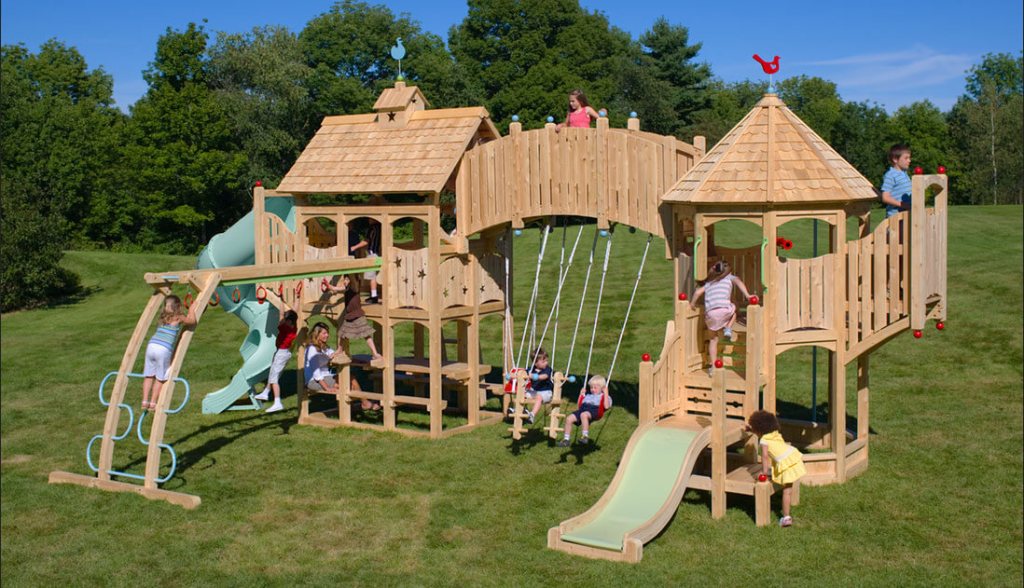
Early childhood is a critical stage in human development, where children learn and grow rapidly through exploration, play, and interaction. For early learning centres, creating a safe, engaging, and developmentally appropriate playground is just as important as the indoor learning environment. A well-designed outdoor space can stimulate imagination, encourage physical activity, and support social and emotional growth.
In this blog, we’ll explore the importance of playground design for early learning centres, the essential elements that make these spaces successful, and how professional design can transform a centre into a nurturing environment for young learners.
Why Playground Design Matters for Early Learning Centres
- Supporting Developmental Milestones
Children between the ages of 2 and 6 are developing motor skills, balance, coordination, and strength. A carefully designed playground provides age-appropriate challenges—such as climbing, sliding, and balancing—that help them progress through these milestones.
- Encouraging Curiosity and Imagination
Young children learn through exploration and pretend play. Playgrounds with sensory elements, themed structures, and natural features spark creativity and encourage role-play scenarios that build problem-solving and communication skills.
- Promoting Social Interaction
Outdoor play is one of the best opportunities for children to develop social skills. Playgrounds designed with group activities—such as sand pits, see-saws, or cooperative climbing structures—help children learn teamwork, sharing, and empathy.
- Safety and Security
At early learning centres, safety is paramount. A professionally designed playground ensures that all surfaces, equipment, and layouts comply with safety standards, providing peace of mind for educators and parents.
- Enhancing Learning Beyond the Classroom
Modern playgrounds are increasingly seen as outdoor classrooms. They allow educators to integrate play into lessons, whether it’s counting steps on a climbing structure, observing plants in a garden, or experimenting with water play.
Key Elements of Playground Design for Early Learning
- Age-Appropriate Equipment
Equipment should be designed specifically for toddlers and preschoolers. Smaller slides, low climbing frames, stepping stones, and soft play structures allow young children to build confidence while staying safe.
- Sensory Play Features
Young children learn best when multiple senses are engaged. Sand pits, water tables, textured panels, musical instruments, and tactile surfaces stimulate curiosity and sensory development.
- Natural Play Areas
Incorporating natural elements like logs, plants, rocks, and gardens fosters a connection with nature. These features encourage imaginative play and teach children about the environment.
- Safe Surfacing
Soft surfacing—such as rubber mats, synthetic turf, or sand—minimizes injuries from falls. Designers also ensure even ground levels and safe pathways for both children and caregivers.
- Shaded Zones
Young children are sensitive to sun exposure. Shaded play areas, pergolas, or strategically placed trees protect children from UV rays and make outdoor play more comfortable.
- Quiet and Rest Spaces
Not all children want active play at all times. Calm corners with benches, cushions, or shaded nooks provide spaces for relaxation, reading, or quiet observation.
- Inclusivity and Accessibility
Inclusive design ensures all children, including those with disabilities, can enjoy the playground. This may include ramps, wheelchair-accessible play equipment, sensory panels, and wide pathways.
The Design Process for Early Learning Centres
- Consultation and Needs Assessment – Understanding the centre’s educational philosophy, number of children, and available space.
- Site Analysis – Evaluating safety, drainage, shading, and potential hazards.
- Conceptual Design – Creating tailored layouts that include a mix of active, sensory, and quiet zones.
- Equipment Selection – Choosing age-appropriate and durable play structures.
- Safety Compliance – Ensuring designs meet early childhood safety and accessibility standards.
- Installation and Inspection – Overseeing construction and final checks before opening the playground for use.
Benefits of Professionally Designed Playgrounds for Early Learning Centres
- Holistic Development: Supports physical, cognitive, and emotional growth.
- School Readiness: Prepares children with problem-solving, teamwork, and motor skills essential for formal schooling.
- Increased Enrolment Appeal: Parents value centres with safe, stimulating outdoor environments.
- Educator Support: Outdoor classrooms make it easier for educators to integrate play-based learning.
- Long-Term Durability: Professional designs ensure equipment and layouts stand the test of time with minimal maintenance.
Trends in Playground Design for Early Learning
Early learning playgrounds are evolving to meet modern educational needs and parental expectations. Some emerging trends include:
- Nature-Inspired Playgrounds: Using natural materials and garden zones to foster eco-awareness.
- STEM-Inspired Play Features: Adding interactive elements that encourage early science and math learning, such as water flow tables or building stations.
- Inclusive Playgrounds: Greater focus on accessibility for children with physical, sensory, or cognitive challenges.
- Flexible Outdoor Classrooms: Spaces that can shift from play to structured outdoor learning activities.
- Eco-Friendly Materials: Use of recycled plastics, sustainably sourced timber, and energy-efficient designs.
Conclusion
Playground design for early learning centres is about much more than providing entertainment. It’s about creating safe, stimulating, and inclusive environments that support children’s developmental milestones and foster a lifelong love of learning. By blending age-appropriate equipment, sensory features, natural elements, and safe layouts, bespoke playground designs can transform early learning centres into vibrant spaces where every child thrives.
Investing in a thoughtfully designed playground is not just about outdoor fun—it’s about giving young learners the best possible start in life.





 Lifestyle AU News
Leave a comment