
Fresh juice is one of the easiest ways to boost your daily intake of fruits and vegetables, and a press juicer is one of the most efficient tools to do it. Known for its slow, gentle extraction process, this type of juicer helps preserve nutrients, flavour, and colour while delivering a higher juice yield. However, simply owning a juicer doesn’t guarantee maximum output. To truly get the most juice from every ingredient, you need the right techniques, preparation, and habits.
In this guide, we’ll walk through practical, easy-to-follow steps to help you maximize juice yield, reduce waste, and enjoy better-tasting juice every time.
Understand How a Press Juicer Works
A Press juicer, also known as a cold press or slow juicer, works by crushing and pressing produce rather than shredding it at high speed. This slow extraction minimizes heat and oxidation, helping retain enzymes and nutrients.
Because the process is gentler, a Press Juicer typically extracts more juice from leafy greens, wheatgrass, and soft fruits compared to centrifugal juicers. Understanding this advantage helps you choose the right produce and technique for optimal results.
Choose The Right Fruits and Vegetables
Not all produce yields the same amount of juice. Some fruits and vegetables are naturally more juice-rich, while others require a bit more care.
High yield produce includes:
- Oranges, apples, pears
- Cucumbers, celery
- Pineapple, watermelon
Lower-yield but nutrient-dense produce:
- Spinach, kale, parsley
- Wheatgrass
- Herbs
When using a Press Juicer, combine low-yield leafy greens with high-water fruits or vegetables. This pairing improves extraction efficiency and helps push greens through the juicing mechanism more effectively.
Prep Your Ingredients Properly
Proper preparation can make a noticeable difference in juice yield.
- Wash thoroughly: Remove dirt, pesticides, and wax.
- Cut into smaller pieces: Chopping produce to fit the feed chute allows smoother processing.
- Peel when necessary: Thick peels from citrus or pineapple can reduce efficiency and add bitterness.
- Remove large seeds and pits: These can damage the juicer and reduce performance.
Well-prepared ingredients allow your juicer to extract more juice with less strain, especially when using a Press Juicer designed for slow, steady operation.
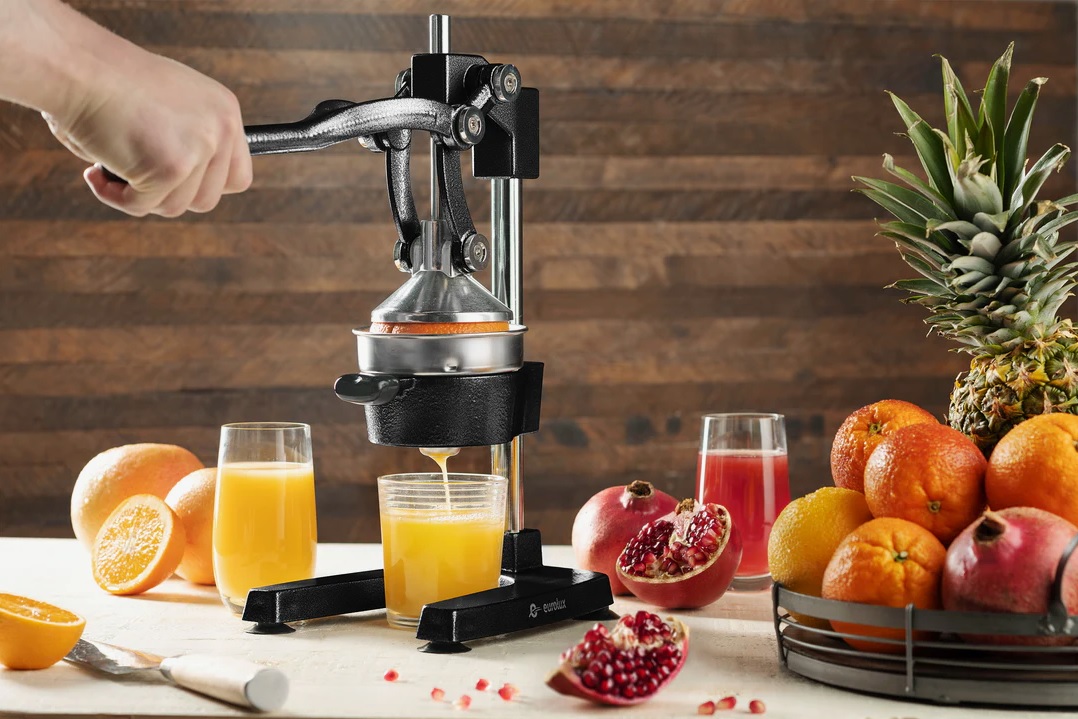
Feed Produce Slowly and Consistently
One of the most common mistakes is overloading the juicer. Feeding too much produce at once can clog the auger and reduce juice yield.
Instead:
- Feed ingredients slowly
- Alternate between soft and hard produce
- Use the tamper gently if provided
This method gives your Press Juicer enough time to fully crush and press each piece, resulting in drier pulp and more juice in your glass.
Re-Juice the Pulp (When Appropriate)
If you want to extract every possible drop, don’t discard the pulp immediately. While high-quality juicers produce fairly dry pulp, running it through the machine a second time can still yield extra juice—especially with fibrous vegetables like carrots or beets.
Another option is to mix pulp with a small amount of water and reprocess it. This technique is particularly useful when juicing in bulk or when working with expensive produce.
Clean Your Juicer After Every Use
A clean juicer performs better. Pulp buildup can block filters and reduce extraction efficiency over time.
After each session:
- Rinse parts immediately to prevent residue from drying
- Use a soft brush to clean the mesh filter
- Dry components thoroughly before reassembly
Regular cleaning keeps your Press Juicer operating at peak efficiency and extends its lifespan.
Store Juice The Right Way
Even when you extract maximum juice, poor storage can compromise quality. Fresh juice is best consumed immediately, but if you must store it:
- Use airtight glass containers
- Fill containers to the top to reduce oxidation
- Refrigerate promptly
- Consume within 24–48 hours
Cold-pressed juice from a press juicer typically lasts longer than juice from high-speed machines due to reduced oxidation.
Experiment With Juicing Techniques
Maximizing juice yield also means learning what works best for your preferences. Experiment with ingredient combinations, feeding order, and pulp reuse methods. Over time, you’ll discover the most efficient way to juice your favourite fruits and vegetables.
Final Thoughts
Getting the most juice from your press juicer isn’t complicated it’s about using the right techniques consistently. From choosing high yield produce and preparing ingredients properly to feeding them slowly and keeping your machine clean, small adjustments can lead to noticeably better results.
With a little practice, your press juicer can deliver richer flavour, higher juice yield, and better nutrition from every batch. And when you’re ready to upgrade or start your juicing journey, taking the time to buy best press juicer ensures you enjoy long-term performance, healthier drinks, and maximum value from every fruit and vegetable you use.





 Lifestyle AU News
Leave a comment