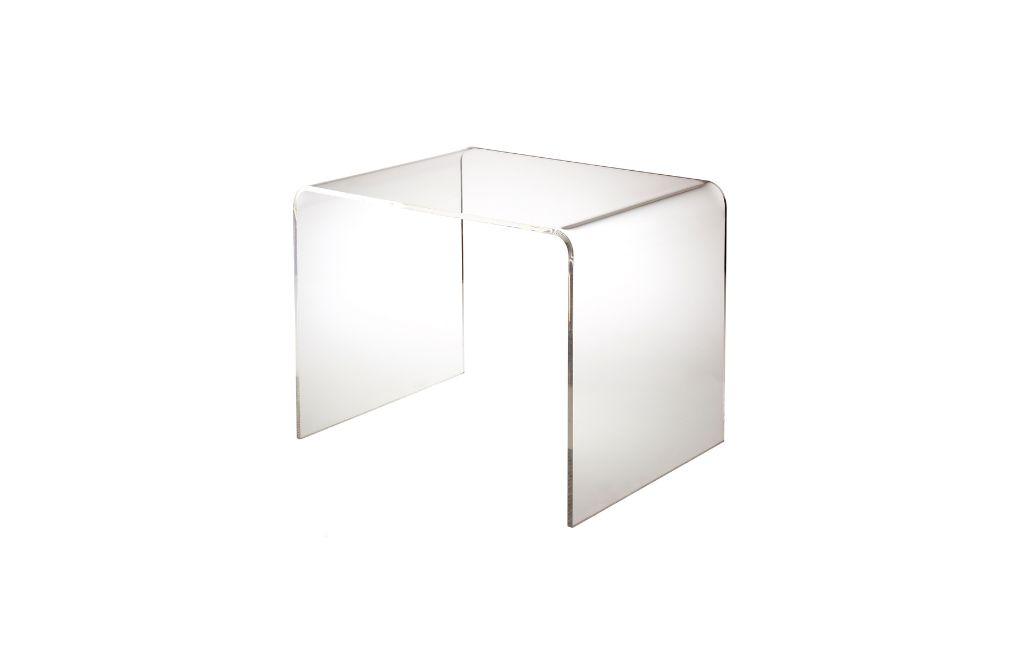
Selecting the right material can make or break a project, whether you’re working on a home improvement task, a commercial fit-out, or a creative DIY idea. Acrylic glazing materials are popular for good reason—they’re lightweight, durable, and visually appealing. However, not all options are the same. Choosing the right perspex sheet requires understanding your project needs, environment, and performance expectations.
This guide walks you through everything you need to know, from thickness and finish to UV resistance and common applications, helping you make a confident, well-informed decision.
Understanding What Perspex Is and Why It’s Popular
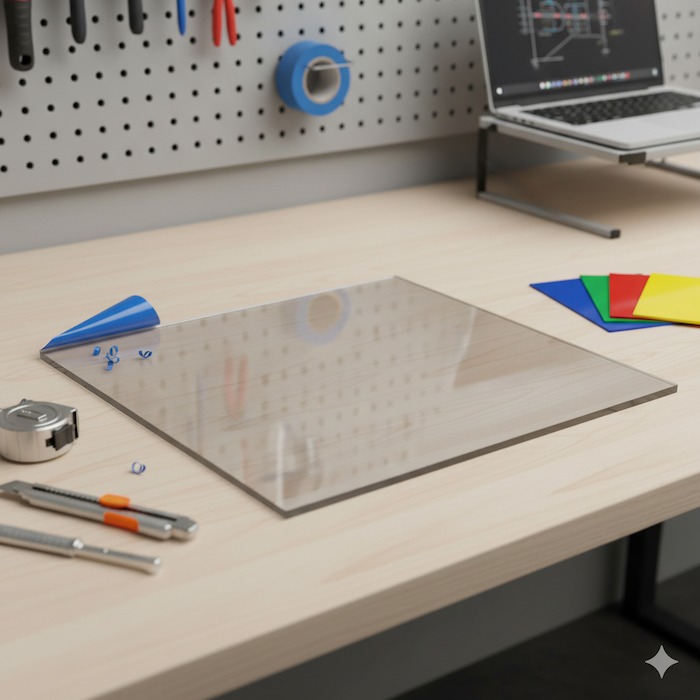
Perspex is a high-quality acrylic material often used as a glass alternative. It offers exceptional clarity, is significantly lighter than glass, and has strong impact resistance. These properties make it suitable for a wide range of residential, commercial, and industrial applications.
Unlike glass, acrylic does not shatter easily, making it safer in environments where breakage could pose a risk. Its versatility also allows it to be cut, shaped, and fabricated with ease, which is why it’s a favourite among builders, designers, and hobbyists alike.
When choosing a perspex sheet, the key is matching its characteristics to how and where it will be used.
Consider the Purpose of Your Project
The first step in selecting the right material is defining the purpose of your project. Ask yourself:
- Will it be used indoors or outdoors?
- Is it decorative or structural?
- Does it need to support weight or resist impact?
- Will it be exposed to sunlight, moisture, or heat?
For example, indoor display panels prioritise clarity and aesthetics, while outdoor signage requires weather and UV resistance. Clearly defining the application helps narrow down thickness, finish, and grade requirements.
Choosing the Right Thickness
Thickness plays a crucial role in performance and durability. Acrylic sheets come in various thicknesses, typically ranging from 2mm to 25mm or more.
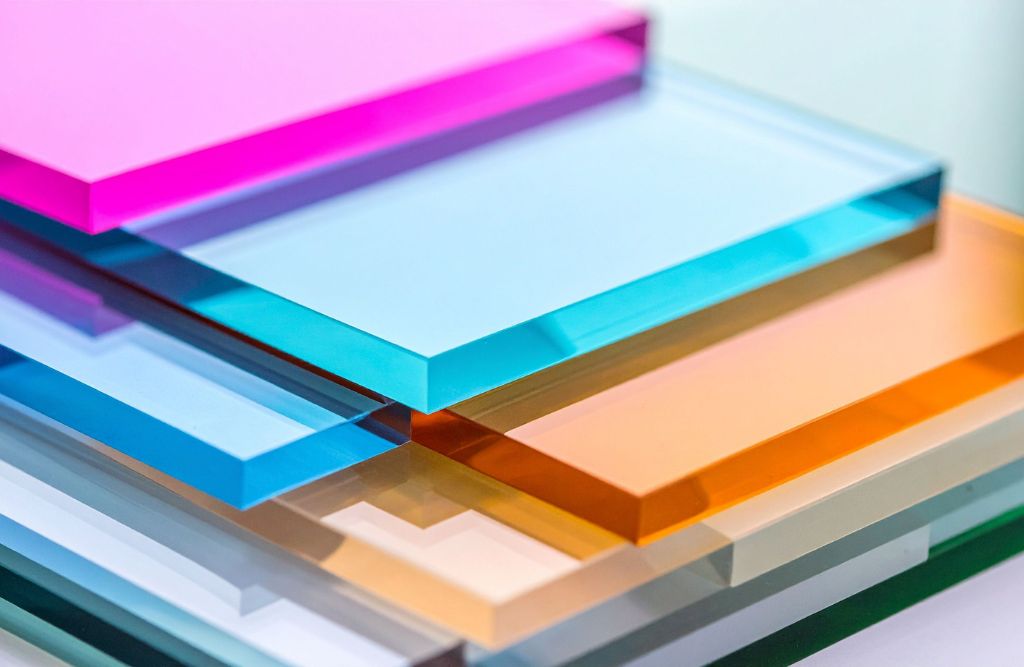
- Thin sheets (2–4mm): Ideal for picture frames, display covers, and lightweight panels.
- Medium thickness (5–10mm): Suitable for shelves, protective screens, and signage.
- Thicker sheets (12mm+): Best for load-bearing applications, furniture, and heavy-duty barriers.
If structural integrity is important, selecting a thicker perspex sheet ensures better strength and longevity without compromising visual appeal.
Selecting the Right Finish
Finish impacts both aesthetics and functionality. Acrylic sheets are available in several finishes, each serving a different purpose:
- Clear: Offers glass-like transparency, perfect for windows, display cases, and protective screens.
- Frosted: Diffuses light while maintaining privacy, ideal for office partitions and bathroom panels.
- Tinted: Reduces glare and adds a modern design element, commonly used in architectural features.
- Coloured or opaque: Great for signage, branding, and creative installations.
The finish you choose should align with lighting needs, privacy requirements, and overall design goals. A well-chosen perspex sheet finish enhances both form and function.
UV Resistance and Outdoor Use
For outdoor projects, UV resistance is essential. Prolonged sun exposure can cause some materials to yellow or become brittle over time. High-quality acrylic products are UV-stabilised, ensuring they maintain clarity and strength even in harsh conditions.
Outdoor applications such as skylights, greenhouses, pool fencing, and signage benefit greatly from UV-resistant materials. Choosing a perspex sheet designed for exterior use protects your investment and reduces long-term maintenance.
Impact Resistance and Safety
One of the biggest advantages of acrylic over glass is impact resistance. It’s far less likely to crack or shatter, making it a safer option in high-traffic or vulnerable areas.
This makes acrylic ideal for:
- Safety screens
- Child-friendly environments
- Retail displays
- Public infrastructure
If safety is a priority, selecting a perspex sheet with higher impact resistance provides peace of mind without sacrificing appearance.
Ease of Fabrication and Installation
Another factor to consider is how the material will be handled and installed. Acrylic sheets are easy to cut, drill, and shape using standard tools, making them suitable for both professionals and DIY users.
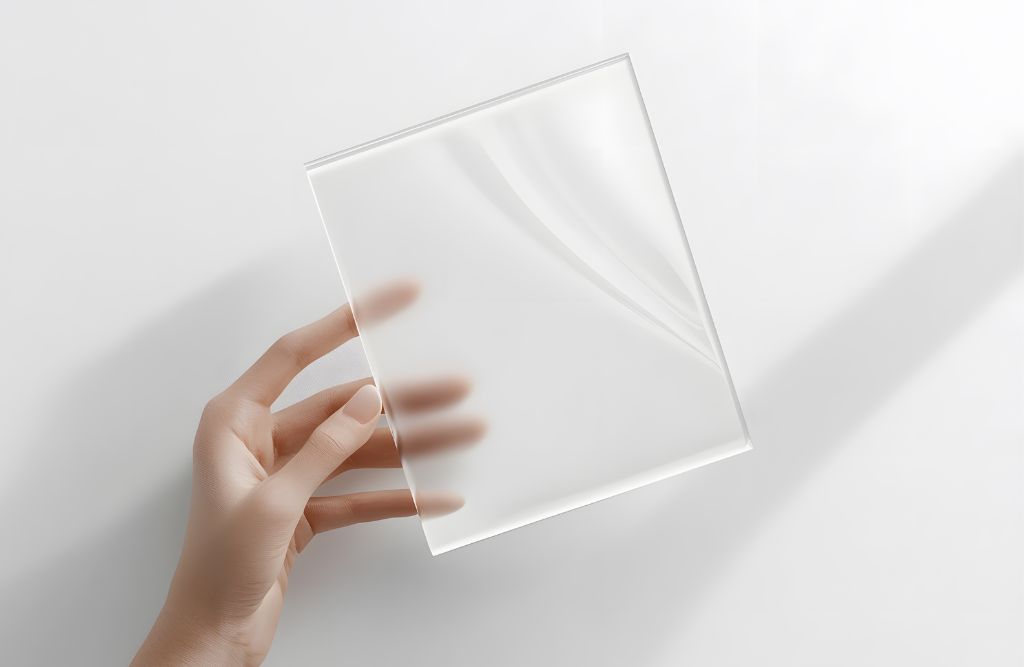
They can be:
- Laser cut for precision designs
- Thermoformed into curved shapes
- Bonded using specialised adhesives
This flexibility allows for creative freedom and efficient installation, particularly when compared to glass.
Environmental and Maintenance Considerations
Modern acrylic materials are designed to be long-lasting and low maintenance. They resist moisture, corrosion, and many chemicals, making them suitable for kitchens, bathrooms, and industrial settings.
Cleaning is simple—usually just warm water and a mild detergent. Avoid abrasive cleaners to maintain surface clarity. When properly cared for, a quality perspex sheet can last for many years without significant wear.
Matching Quality to Budget
While acrylic sheets are generally more affordable than glass, prices vary depending on thickness, finish, and grade. It’s tempting to choose the cheapest option, but lower-quality materials may lack UV resistance or durability.
Balancing cost with performance ensures you get value for money. Investing in the right perspex sheet upfront often saves on replacement and maintenance costs later.
Final Thoughts
Choosing the right material isn’t just about appearance—it’s about performance, safety, and longevity. By considering your project’s purpose, thickness requirements, finish preferences, environmental exposure, and budget, you can confidently select the ideal acrylic solution.
A carefully chosen perspex sheet enhances functionality, elevates design, and delivers reliable performance across a wide range of applications. Whether you’re tackling a small DIY task or a large-scale commercial project, making an informed choice ensures results you’ll be happy with for years to come.


 Lifestyle AU News
Leave a comment