Ever felt a chill creep through your home on a frosty winter morning, no matter how many layers you add? In cities like Melbourne, where winters can be long, damp, and unpredictable, a reliable heating system isn’t just a luxury—it’s a necessity. With rising electricity prices and growing concerns about carbon emissions, many homeowners are asking a critical question: what is the most efficient, cost-effective, and environmentally responsible way to heat our homes?
Increasingly, the answer points towards gas heating. For households exploring gas heating Melbourne solutions, the appeal lies in its balance of comfort, affordability, and lower environmental impact compared to many traditional heating options. This article takes a deep dive into why switching to gas heating is gaining traction, examining the economic benefits, environmental considerations, potential downsides, and what the transition process looks like for Melbourne homes.
If you’re weighing your heating options for the coming winters, this guide will help you make an informed, future-ready decision.
Why Consider a Switch to Gas Heating?
Melbourne’s climate demands a heating system that can deliver consistent warmth without skyrocketing energy bills. Traditional electric heaters often struggle to meet this expectation efficiently, especially when used for extended periods. This is where gas heating stands out.
Gas heating systems warm spaces faster and distribute heat more evenly. Unlike some electric heaters that produce localized warmth, gas systems—particularly ducted gas heating—provide whole-home comfort. This makes them ideal for families and larger households.
From an environmental perspective, natural gas burns cleaner than coal-generated electricity, which still contributes significantly to the power grid. For homeowners researching gas heating Melbourne options, this cleaner combustion translates to lower greenhouse gas emissions per unit of heat produced.
Reliability is another major advantage. Gas heating continues to operate during power outages, offering peace of mind during storms or peak-demand periods when electricity supply can be disrupted.
The Economic Benefits of Gas Heating
One of the strongest arguments for switching to gas heating is its cost-effectiveness over time. While upfront installation costs may seem higher, the long-term financial benefits often outweigh the initial investment.
Lower Running Costs
Natural gas is generally cheaper than electricity in Victoria. This price difference becomes especially noticeable during winter when heaters run for hours each day. Many households that transition to gas heating Melbourne report significantly reduced winter energy bills.
Longevity and Durability
Gas heating systems are built to last. With proper maintenance, many units operate efficiently for 15 to 20 years or more. This longevity means fewer replacements and better value over the system’s lifespan compared to some electric alternatives.
Maintenance Savings
Gas heaters are relatively low-maintenance. Annual servicing is usually sufficient to keep them running safely and efficiently. Over time, these modest maintenance costs are often lower than repairing or replacing electric heating units that experience frequent wear.
Environmental Advantages of Gas Heating
Sustainability plays a growing role in household decision-making, and heating systems are no exception. While gas is still a fossil fuel, it is widely regarded as one of the cleanest-burning options available today.
Natural gas produces fewer carbon dioxide (CO₂) emissions than coal or oil when generating the same amount of heat. It also emits lower levels of nitrogen oxides (NOx) and virtually no sulfur dioxide (SO₂), both of which contribute to air pollution.
Another advantage is efficiency. Modern gas heating systems convert a high percentage of fuel into usable heat, reducing waste. For eco-conscious homeowners considering gas heating Melbourne, this efficiency means achieving comfort while minimizing environmental impact.
While renewable energy sources are the long-term goal, gas heating is often viewed as a practical transitional solution that supports emission reduction targets without compromising comfort.
Types of Gas Heating Systems Available
Before making the switch, it’s important to understand the different types of gas heating systems available in Melbourne.
Ducted Gas Heating
This is one of the most popular options for family homes. It uses a central unit to distribute warm air through ducts to multiple rooms, providing consistent, whole-house heating.
Gas Space Heaters
Ideal for smaller homes or specific zones, gas space heaters are cost-effective and quick to warm individual rooms.
Hydronic Gas Heating
This system uses gas to heat water, which is then circulated through radiators or underfloor piping. It offers silent operation and a comfortable, radiant warmth that many homeowners love.
Each option has its own advantages, and the right choice depends on home size, insulation, and lifestyle needs.
The Downsides of Gas Heating
Despite its many benefits, gas heating is not without drawbacks. Being informed about these helps set realistic expectations.
Installation Costs
Installing a gas heating system, particularly ducted or hydronic setups, can involve higher upfront costs. Homes without an existing gas connection may require additional infrastructure work.
Safety Considerations
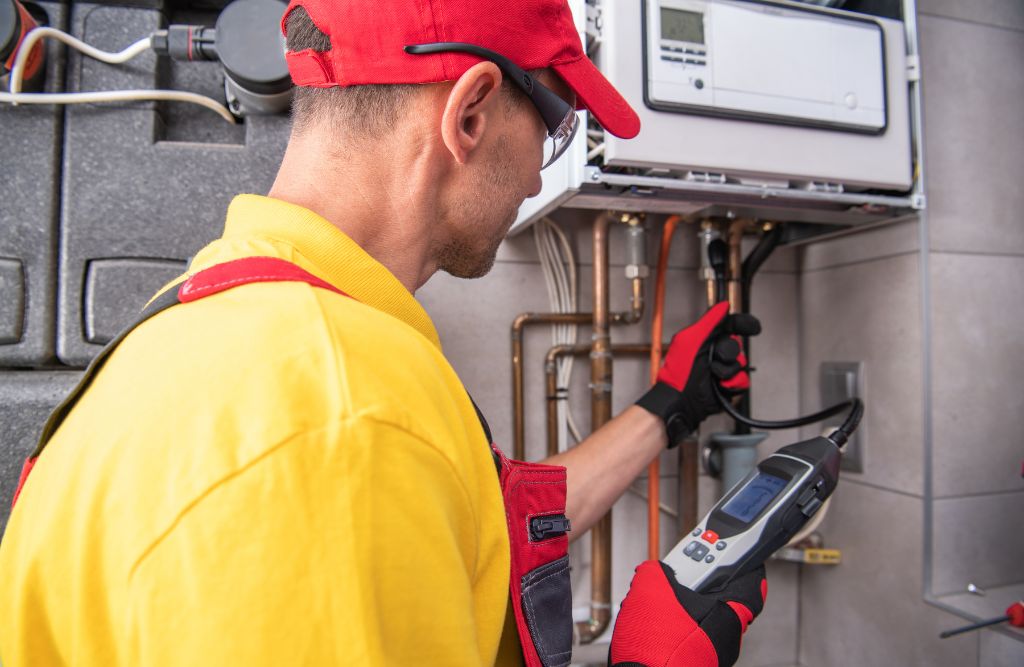
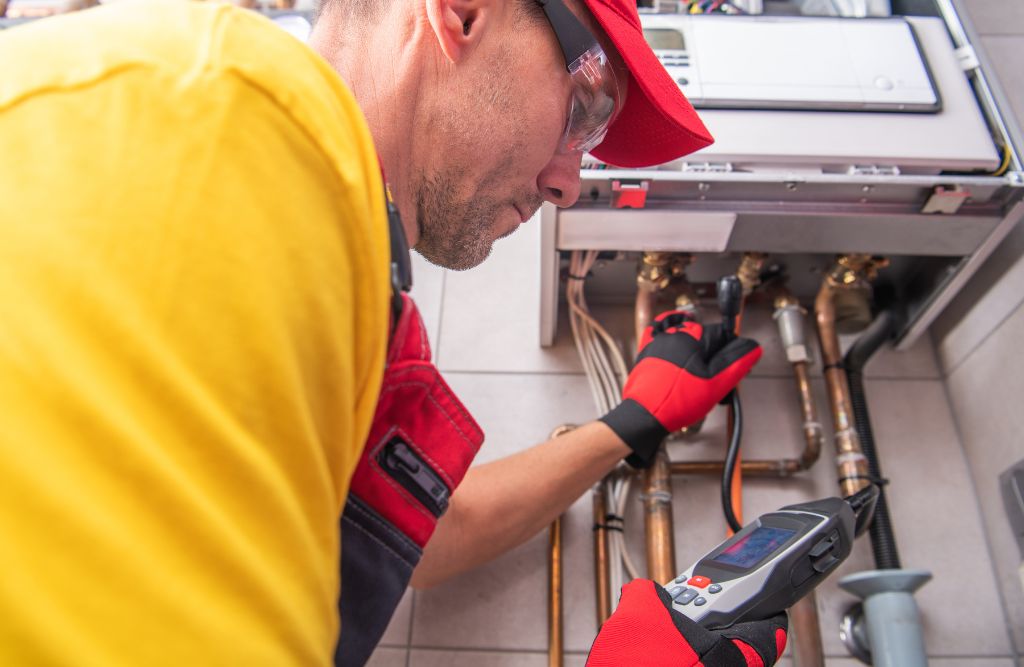
Gas systems must be installed and serviced by licensed professionals. Poorly maintained units can pose risks such as gas leaks or carbon monoxide exposure. Regular servicing is essential.
Reliance on Fossil Fuels
While cleaner than many alternatives, natural gas is still a non-renewable resource. For homeowners focused on long-term sustainability, this may be a concern as Australia transitions toward renewable energy.
Transitioning to Gas Heating: What to Expect
Switching to gas heating is a structured process that begins with an assessment of your home’s suitability. This includes evaluating insulation, layout, and existing energy connections.
Next comes selecting the right system. A professional installer can recommend options tailored to your home and heating needs. For households exploring gas heating Melbourne solutions, working with experienced local installers ensures compliance with Victorian safety standards and optimal performance.
Once installed, homeowners should familiarize themselves with system operation and schedule regular servicing to maintain efficiency and safety.
Is Gas Heating the Future for Melbourne Homes?
As energy technology evolves, gas heating is likely to remain a key player in Melbourne’s residential heating landscape—at least in the medium term. Its affordability, reliability, and lower emissions make it a strong alternative to purely electric systems, especially as electricity prices fluctuate.
Looking ahead, innovations such as renewable gas and hydrogen blending could further reduce the environmental footprint of gas heating. This positions gas not as a final destination, but as an important bridge toward a cleaner energy future.
Conclusion
Switching to gas heating offers Melbourne homeowners a practical balance between comfort, long-term cost savings, and environmental responsibility. While the upfront investment may be higher, the efficiency, reliability, and reduced running costs make it a smart choice for households planning for the future.
For those exploring gas heating Melbourne
solutions, the decision often comes down to what matters most—consistent warmth throughout winter, predictable energy bills, and lower emissions. Although no heating system is without limitations, gas heating continues to stand out as a dependable and modern option for today’s homes.
As Melbourne winters become colder and energy costs remain a concern, now is the ideal time to act. Choose a trusted local provider for gas heating Melbourne and take the next step toward a warmer, more energy-efficient home built for long-term comfort and sustainability.




 Lifestyle AU News
Leave a comment