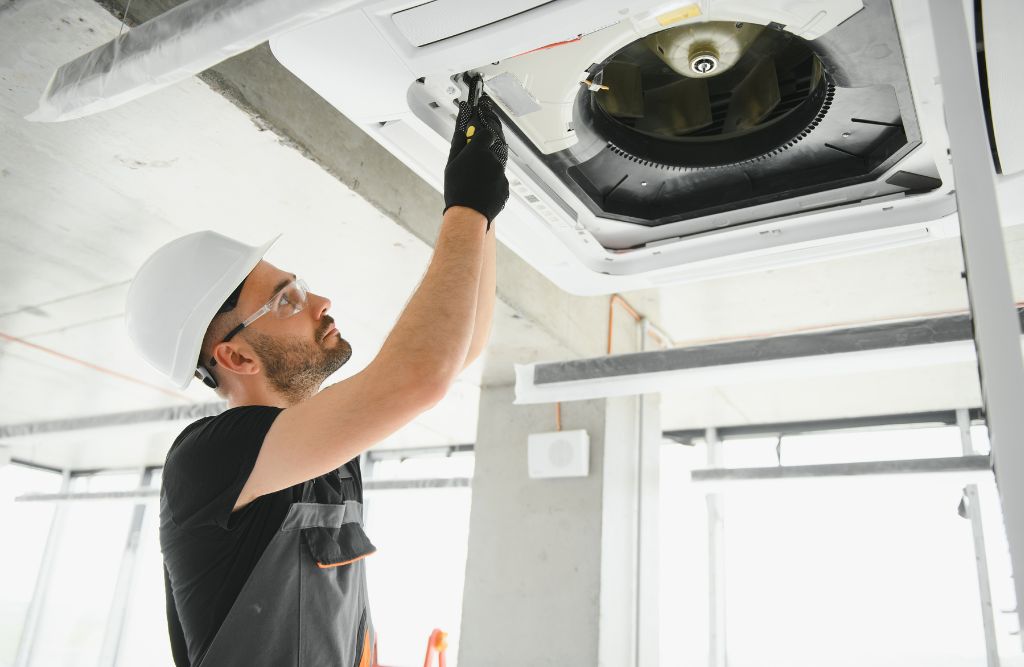
Ever wondered why some businesses seem to have perfectly comfortable spaces while others feel like saunas in summer? Have you noticed how energy bills keep climbing, yet some companies manage to keep their costs in check? And what’s all this buzz about smart technology changing the way we cool our buildings?
The heating and cooling industry is going through a massive transformation right now. For Australian businesses, staying on top of the latest air conditioning technology isn’t just about comfort anymore—it’s about survival. With rising energy costs, stricter environmental regulations, and increasingly unpredictable weather patterns, the choices you make about your HVAC systems can make or break your bottom line.
In this article, we’ll explore the recent trends in refrigeration and air conditioning that are reshaping commercial spaces across Australia. From smart IoT-enabled systems to sustainable HVAC solutions, we’ll cover everything you need to know to make informed decisions about your business’s climate control. Whether you’re considering an upgrade or simply want to understand what’s possible, you’re in the right place.
The Changing Face of the HVAC Industry
The HVAC industry looks nothing like it did even five years ago. Innovation is happening at breakneck speed, driven by several key factors that Australian businesses simply can’t ignore.
Climate change is pushing temperatures to new extremes, making reliable air conditioning more critical than ever. At the same time, energy prices continue their upward climb, forcing businesses to think smarter about how they cool their spaces. Government regulations around emissions and energy efficiency are also tightening, meaning older systems may soon become compliance headaches.
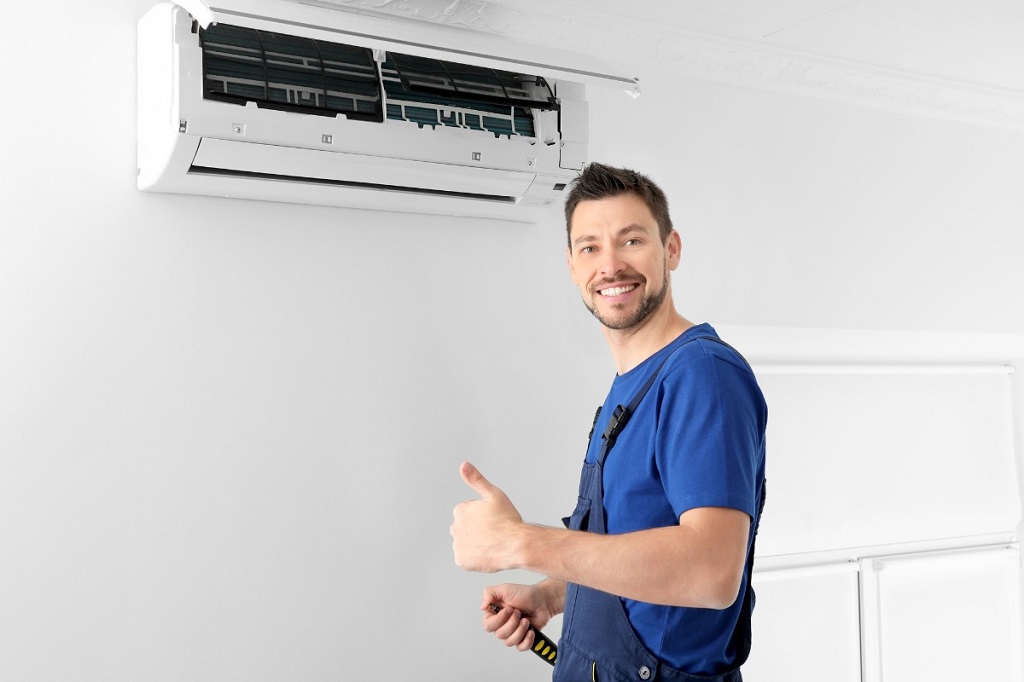
What’s driving all this innovation? It’s a perfect storm of technology advancement, environmental necessity, and economic pressure. Businesses are demanding more from their HVAC systems—better performance, lower running costs, and smaller carbon footprints. Manufacturers have responded with some genuinely impressive refrigeration and air conditioning technology that would have seemed like science fiction a decade ago.
Smart and Connected HVAC Technology
How Is Aircon Technology Becoming Smarter?
Gone are the days of simple thermostats and manual adjustments. Today’s innovative HVAC systems are essentially computers that happen to control your climate. They learn your building’s patterns, predict maintenance needs, and optimise performance in real-time.
Modern aircon technology uses sensors throughout your building to monitor temperature, humidity, occupancy, and even air quality. These systems can detect when a meeting room fills up and automatically adjust cooling before it gets stuffy. They know when areas are empty and dial back to save energy.
The Rise of IoT-Enabled Climate Control Systems
IoT-enabled systems take this intelligence even further. Your HVAC system can now communicate with weather forecasts, adjusting in anticipation of a scorching day rather than reacting to it. Building managers can monitor and control systems from their smartphones, receiving alerts about potential issues before they become costly breakdowns.
The data these systems collect is pure gold for optimisation. You can identify inefficiencies, track energy usage patterns, and make evidence-based decisions about upgrades. Some businesses report energy savings of 20-30% simply by switching to smart, connected systems.
The Latest Air Conditioner Technology Transforming Commercial Spaces
Variable refrigerant flow (VRF) systems represent one of the biggest HVAC innovations in recent years. Unlike traditional systems that blast cold air at full power or switch off completely, VRF technology adjusts refrigerant flow precisely to match demand. The result? Exceptional efficiency and zone-by-zone temperature control.
Advanced zoning and automation features mean different areas of your building can maintain different temperatures simultaneously. Your server room stays cool while your reception area remains comfortable for visitors. Meeting rooms adjust automatically based on occupancy.
These systems also run remarkably quietly compared to older technology. For businesses where noise matters—think medical clinics, law firms, or creative studios—this can be a game-changer. The latest air conditioner technology delivers comfort without the constant background hum.
Energy Efficient HVAC Systems for Commercial Buildings
Why Energy Efficiency Is No Longer Optional
Rising energy costs in Australia have turned HVAC efficiency from a nice-to-have into a business necessity. For many commercial buildings, climate control accounts for 40-60% of total energy consumption. That’s a massive chunk of your operating costs that efficient systems can dramatically reduce.
Regulatory pressures are mounting too. Building energy ratings, emissions reporting requirements, and sustainability benchmarks are becoming standard expectations. Businesses that ignore energy efficient HVAC systems for commercial buildings risk falling behind on compliance and reputation.
Innovative HVAC Solutions That Cut Operating Costs
So, what are the most energy efficient commercial air conditioning systems available today? Heat recovery systems capture waste heat and repurpose it for heating water or other areas. Variable speed compressors adjust their output to match demand rather than cycling on and off wastefully.
How can businesses reduce their HVAC energy consumption? Start with proper maintenance—dirty filters and neglected systems work harder and waste energy. Consider smart controls that prevent cooling empty spaces. Evaluate your building envelope for insulation improvements that reduce the load on your system. Sometimes the biggest gains come from combining multiple strategies rather than relying on equipment alone.
The Rise of Heat Pumps in Australia
Understanding Air Source Heat Pump Technology
What is an air source heat pump and how does it work? Think of it as an air conditioner that works in reverse. While traditional systems can only cool, heat pumps transfer heat in either direction—extracting warmth from outside air in winter and removing heat from inside during summer.
Why are heat pumps becoming popular in Australia? They’re incredibly efficient, often delivering three to four units of heating or cooling energy for every unit of electricity consumed. For businesses seeking eco-friendly HVAC solutions, heat pump Australia installations offer a compelling path to reduced emissions.
Heat Pump Applications for Commercial Properties
Innovations like the summer wave heat pump and similar technologies are making heat pumps viable even in Australia’s most demanding climates. These systems maintain performance in extreme temperatures that would challenge older designs.
Comparing heat pumps to traditional HVAC systems reveals significant advantages in running costs and environmental impact. While upfront costs can be higher, the payback period continues to shrink as energy prices rise and technology improves. Air source heat pump Australia installations are particularly attractive for businesses looking to electrify their heating and move away from gas.
Sustainable Air Conditioning Solutions for Modern Businesses
Eco-Friendly HVAC Solutions: What Are the Options?
Low-GWP (global warming potential) refrigerants are transforming sustainable air conditioning solutions. Traditional refrigerants can be thousands of times more potent than carbon dioxide as greenhouse gases. Newer alternatives dramatically reduce this impact while maintaining excellent performance.
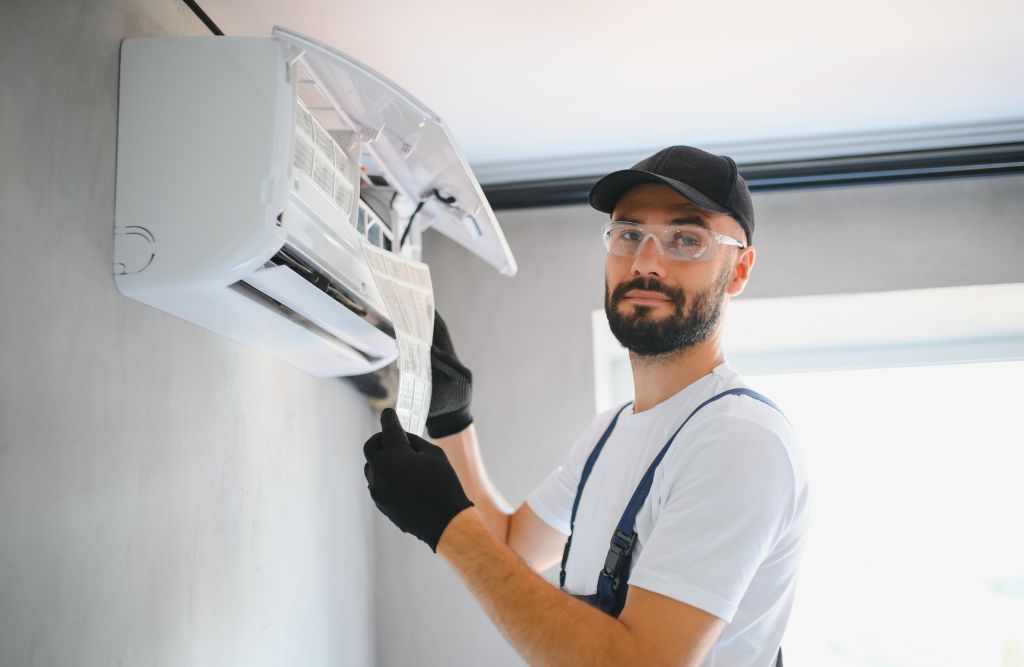
Sustainable HVAC systems in commercial buildings go beyond just refrigerants. They incorporate recyclable materials, longer lifespans, and designs that minimise waste. Many manufacturers now offer take-back programmes for old equipment, ensuring responsible disposal and recycling.
Sustainable Heating Systems for Commercial Buildings
Hybrid heating and cooling systems combine multiple technologies to maximise efficiency. A building might use heat pumps for most of the year but switch to gas backup during extreme cold snaps when heat pump efficiency drops.
Solar-assisted air conditioning technology is gaining traction in sun-drenched Australia. These systems use solar thermal energy or photovoltaic panels to power or supplement traditional cooling. For businesses with suitable roof space, sustainable heating systems for commercial buildings powered partly by the sun offer both cost and environmental benefits.
The Future of Air Conditioning: What’s Next?
Emerging Refrigeration and Air Conditioning Technology
The future of air conditioning promises even more dramatic changes. Magnetic cooling technology, which uses no refrigerants at all, is moving from laboratories toward commercial viability. AI-driven systems will become even smarter, predicting and preventing problems before they occur.
How will climate change shape the future of air conditioning? Expect systems designed for more extreme conditions and longer cooling seasons. Resilience and reliability will become paramount as businesses can’t afford downtime during increasingly common heatwaves.
Preparing Your Business for Tomorrow’s HVAC Standards
Forward-thinking businesses are already planning for tighter regulations and higher expectations. Investing in adaptable, upgradeable systems now can save costly replacements later. Building relationships with innovative HVAC partners who understand emerging trends positions you for smoother transitions.
Choosing the Right Commercial Air Conditioning Service Provider
Selecting the right HVAC partner is a critical decision for any business planning to upgrade or maintain its cooling systems. When evaluating providers, experience with modern technology is essential—but it shouldn’t stop there. An innovative partner offering commercial air conditioning service Melbourne businesses trust will also demonstrate a strong commitment to ongoing training, ensuring their technicians stay up to date with the latest industry advancements.
It’s important to ask about their expertise with energy-efficient systems, heat pump technology, and smart controls that improve comfort while reducing operational costs. These solutions not only enhance performance but also support long-term sustainability goals.
Before committing to an upgrade, ask the right questions: What efficiency ratings can you realistically guarantee? How will your commercial air conditioning service Melbourne solution help us meet energy and sustainability targets? What level of ongoing maintenance and support do you provide after installation? And can you share examples of successful commercial projects like ours?
Embracing Change in the Heating and Cooling Industry
The heating and cooling industry is evolving faster than ever, and Australian businesses have genuine opportunities to benefit. From smart, connected systems that optimise automatically to sustainable solutions that slash both costs and emissions, the technology available today is genuinely impressive.
The key takeaway? Doing nothing is no longer a viable strategy. Energy costs, regulatory requirements, and climate pressures will only intensify. Businesses that embrace innovative HVAC technology now will enjoy lower operating costs, better comfort, and stronger sustainability credentials.
Whether you’re ready for a complete system overhaul or just exploring your options, start the conversation with a qualified commercial HVAC provider. The future of air conditioning is already here—and it’s cooler, smarter, and greener than ever before.


 Lifestyle AU News
Leave a comment