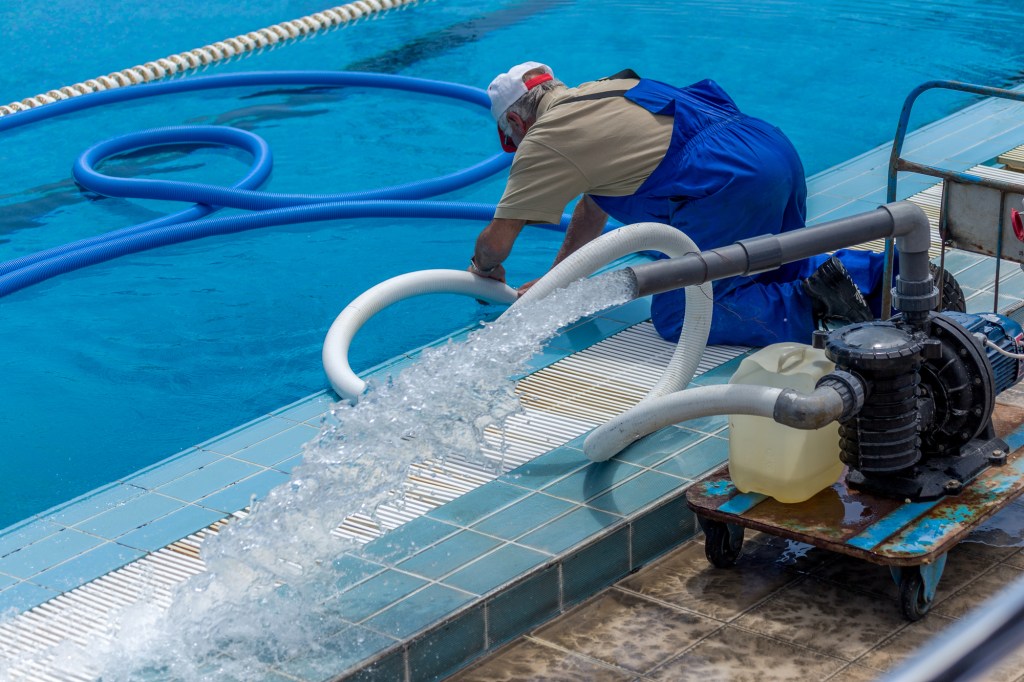
Ever found yourself staring at your murky pool, wondering where to even start with cleaning it? Are you overwhelmed by the sheer number of pool cleaners on the market? Perhaps you’ve bought one before that just didn’t do the job properly?
Choosing the right pool cleaners can feel like navigating a maze blindfolded. With so many options available—from simple manual tools to high-tech robotic wonders—it’s easy to get confused. The truth is the perfect pool cleaner for your neighbour might be completely wrong for you. Your pool size, surface type, and budget all play crucial roles in determining which cleaner will keep your water sparkling.
In this guide, we’ll walk you through everything you need to know about selecting the ideal pool cleaner for your situation. You’ll discover the different types available, learn how to match cleaners to your specific pool, and understand which features actually matter. We’ll also tackle common questions like whether robotic cleaners are worth the investment and how often you should run your cleaner. By the end, you’ll have all the knowledge needed to make a confident, informed decision.
Understanding the Different Types of Pool Cleaners
Before diving into what’s best for your pool, let’s break down the four main types of pool cleaners available.
Manual Pool Cleaners
Manual pool cleaners are the most basic option. They include brushes, vacuum heads, and telescopic poles that require you to do all the work. While they’re the cheapest upfront, they demand significant time and physical effort. These are best suited for small pools or as a backup to automatic cleaners for spot cleaning.
Suction Pool Cleaners
Suction cleaners connect to your pool’s skimmer box or a dedicated suction line. They use your existing pump to create suction, moving randomly around the pool floor. They’re relatively affordable and effective for light to moderate debris. However, they do add strain to your filtration system and can increase pump running costs.
Pressure Pool Cleaners
Pressure cleaners work differently—they use water pressure to propel themselves and collect debris in their own filter bag. Many require a booster pump, which adds to installation costs. On the plus side, they’re excellent for picking up larger debris like leaves and don’t burden your main filter.
Robotic Pool Cleaners
Robotic cleaners are the premium choice. They operate independently with their own motors and filtration systems, requiring no connection to your pool’s plumbing. While the upfront cost is higher, they’re energy-efficient and provide thorough, intelligent cleaning coverage.
What Type of Pool Cleaner is Best for My Pool?
Matching Cleaner Type to Pool Size
Pool size matters more than you might think. For smaller pools under 30 square metres, a suction cleaner typically handles the job well. Medium-sized pools benefit from either pressure or robotic cleaners. Large pools really shine with robotic models, as they cover more ground efficiently and don’t tire out like you would with manual cleaning.
Pool Surface Considerations
Your pool’s surface material affects which cleaner works best. Fibreglass pools have smooth surfaces that most cleaners handle easily, though you’ll want soft brushes to prevent scratching. Concrete pools need more aggressive scrubbing power due to their porous, textured surface—robotic cleaners with strong brushes excel here. Vinyl-lined pools require gentle cleaners to avoid tears or damage to the liner.
Above Ground vs In-Ground Pool Requirements
Above-ground pools have specific needs. Many standard cleaners aren’t designed for their shallower depths and softer liners. Look for models specifically labelled as above-ground compatible. In-ground pools offer more flexibility but may have complex shapes, steps, or deep ends that require cleaners with advanced navigation capabilities.
Key Features to Look for When Buying a Pool Cleaner
Cleaning Coverage and Navigation
The best pool cleaners don’t just move randomly—they map your pool and clean systematically. Look for models with smart navigation that cover walls, floors, and the waterline. Some robotic cleaners even have app connectivity, letting you schedule cleans and track coverage from your phone.
Energy Efficiency and Running Costs
Running costs add up quickly. Robotic cleaners typically use far less electricity than relying on your pool pump for suction cleaners. Check the wattage rating and estimate yearly running costs before purchasing. A slightly more expensive, energy-efficient model often saves money long-term.
Filtration Quality
Not all pool cleaners filter equally. Some catch only large debris, while others capture fine particles down to two microns. Better filtration means less work for your main pool filter and clearer water. If you struggle with fine dust or sand, prioritise cleaners with superior filtration capabilities.
Ease of Maintenance
Consider how easy the cleaner is to maintain. Robotic cleaners have filter cartridges or bags that need regular emptying and occasional replacement. Suction cleaners may have diaphragms or parts that wear out. Check availability and cost of replacement parts before committing.
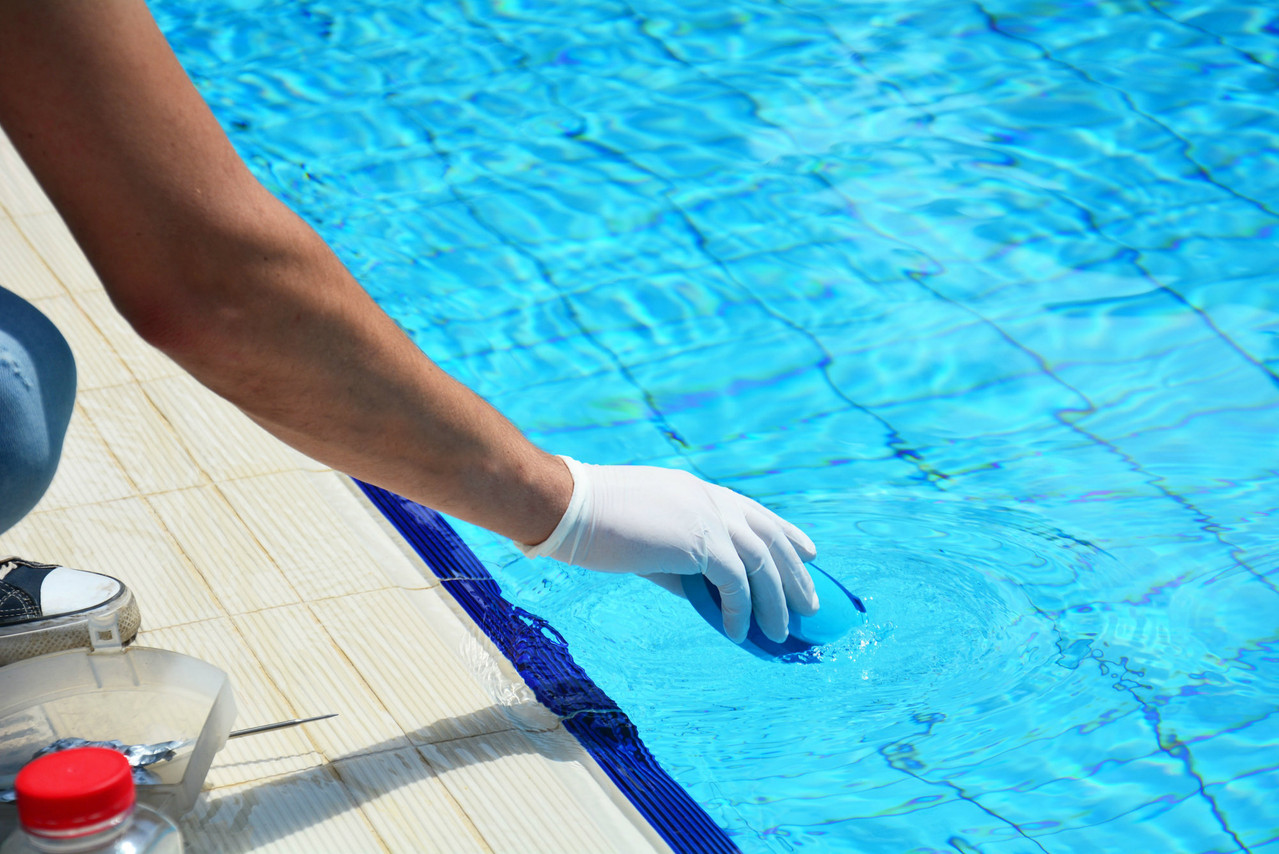
How Much Should I Spend on a Pool Cleaner?
Budget-Friendly Options
Under $400, you’ll find manual equipment and basic suction cleaners. These work fine for small, simple-shaped pools with minimal debris. Brands like Kreepy Krauly offer reliable entry-level suction cleaners. Just remember you’ll spend more time maintaining your pool manually.
Mid-Range Pool Cleaners
Between $400 and $1,000, quality improves significantly. You’ll find advanced suction cleaners, pressure cleaners, and entry-level robotic models. This range suits most Australian pool owners wanting reliable, automated cleaning without breaking the bank.
Premium Pool Cleaning Solutions
Above $1,000, you’re in premium territory. These robotic cleaners offer smart navigation, app control, superior filtration, and longer warranties. For large pools, complex shapes, or those wanting the best possible clean with minimal effort, investing in this range makes sense.
How Often Should You Run Your Pool Cleaner?
Most pools benefit from cleaning two to three times per week. During summer or heavy use periods, daily cleaning keeps water pristine. Autumn often requires more frequent runs due to falling leaves. Robotic cleaners with scheduling features make this easy set it and forget it. Running your cleaner regularly prevents debris from breaking down and affecting water chemistry.
Common Pool Cleaning Challenges in Australian Conditions
Dealing with Leaves and Debris
Australian backyards often feature gum trees, palms, and native plants that drop leaves constantly. Pressure cleaners with large debris bags handle this well. Some robotic models have oversized canisters designed for heavy leaf loads. Consider adding a leaf skimmer or canister to suction cleaners if leaves are your main issue.
Managing Algae Growth
Our warm climate creates perfect conditions for algae growth. While pool cleaners don’t kill algae, they remove it before it takes hold. Regular brushing and cleaning, combined with proper chemical balance, prevents algae problems. Robotic cleaners with powerful scrubbing brushes are particularly effective at removing algae spores from pool surfaces.
Top Mistakes to Avoid When Choosing a Pool Cleaner
Don’t buy based on price alone—the cheapest option often costs more long-term through higher running costs or frequent replacements. Avoid ignoring your pool’s specific characteristics; a cleaner perfect for concrete may damage vinyl. Don’t forget to consider ongoing costs like replacement parts and energy consumption. Finally, resist buying features you’ll never use—not everyone needs Wi-Fi connectivity or programmable schedules.
Finding Your Perfect Pool Cleaner Match
Choosing the right pool cleaner comes down to understanding your specific needs. Consider your pool’s size, surface type, and main debris challenges. Think about how much time you want to spend on maintenance and what your budget allows for both upfront and ongoing costs.
For most Australian pool owners, a mid-range to premium robotic cleaner offers the best balance of performance, convenience, and value. They handle our unique conditions brilliantly—from eucalyptus leaves to fine dust—while using minimal energy. However, if budget constraints exist, quality suction cleaners still deliver solid results for smaller, simpler pools.
Take your time making this decision. A good pool cleaner lasts years and transforms pool ownership from a chore into pure enjoyment. Visit your local pool shop, ask questions, and perhaps request demonstrations. Your sparkling, inviting pool awaits—you just need to pick the right partner to help maintain it.



 Lifestyle AU News
Leave a comment