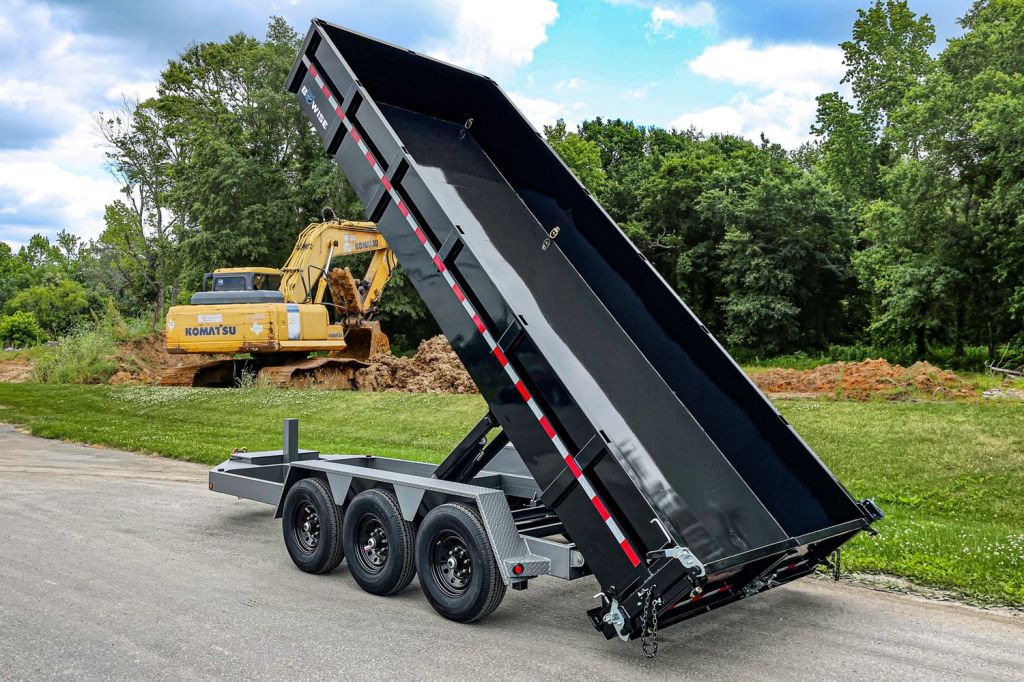
Ever wondered why some trailers seem to last forever while others fall apart after just a few years? What separates operators who rarely face breakdowns from those constantly dealing with costly repairs? Could the secret simply come down to proper trailer maintenance?
If you own or operate a tri axle tag trailer in Australia, you already know these workhorses are essential for heavy haulage operations. A three axle trailer configuration offers superior weight distribution, better stability, and increased payload capacity compared to single or tandem axle setups. But here’s the thing – all that extra capability means more components that need regular attention. Without proper care, you’re looking at expensive repairs, unexpected downtime, and potential safety hazards on our demanding Australian roads.
In this guide, we’ll walk you through five practical tips for keeping your tri axle trailer in top shape. You’ll learn about essential trailer axle service schedules, brake system maintenance, suspension care, tyre management, and how to create a comprehensive maintenance trailer schedule. Whether you’re a seasoned truckie or new to the industry, these tips will help you maximise your trailer’s lifespan and keep your operation running smoothly. Let’s get stuck into it.
What Is a Tri Axle and Why Does It Matter?
So, what is a tri axle exactly? Simply put, it’s a trailer configuration featuring three axles grouped together, typically at the rear of the trailer. This setup allows for greater tri axle loads compared to single or tandem axle trailers, making them ideal for heavy-duty transport applications.
In Australia, a 3 axle semi trailer can legally carry significantly more weight than its two-axle counterparts. This increased capacity makes them popular choices for construction materials, agricultural equipment, and general freight. The three axle design also distributes weight more evenly across the road surface, reducing wear on pavements and improving overall stability during transport.
For Australian operators, regular trailer maintenance isn’t just about avoiding breakdowns – it’s about compliance too. Heavy vehicle regulations require trailers to meet strict safety standards, and a well-maintained three axle trailer helps you stay on the right side of the law while protecting your livelihood.
Prioritise Regular Trailer Axle Service
Your trailer’s axles are the foundation of its entire structure. They bear the full weight of your cargo and endure constant stress from road conditions. Regular trailer axle service is absolutely essential for safe, reliable operation.
How Often Should You Service Your Axles?
Most manufacturers recommend inspecting your axles every 10,000 to 15,000 kilometres, or at least every three months – whichever comes first. However, if you’re regularly carrying heavy tri axle loads or travelling on rough outback roads, you might need more frequent checks. Keep an eye on your operating conditions and adjust your service intervals accordingly.
During each trailer axle service, technicians should inspect wheel bearings, seals, and spindles for wear. They’ll check for signs of heat damage, corrosion, and metal fatigue. Hub assemblies need attention too, as worn bearings can lead to catastrophic wheel failures. If you notice unusual noises, vibrations, or uneven tyre wear, don’t wait for your scheduled service – get your axles checked immediately.
Signs of excessive wear include play in the wheel bearings, leaking seals, and visible damage to axle components. Catching these issues early through regular inspections prevents small problems from becoming major trailer axle repair jobs that could sideline your operation for days.
Stay on Top of Brake System Maintenance
When you’re hauling heavy loads, your brakes are quite literally a lifesaver. Brake maintenance for 3 axle semi trailers deserves special attention because of the increased stopping distances and forces involved with heavier payloads.
Common Brake Issues to Watch For
Tri axle tag trailers typically use air brake systems, which require regular inspection of multiple components. Common issues include worn brake pads and shoes, air leaks in brake lines, and faulty brake chambers. You might also encounter problems with slack adjusters, which can throw off your brake timing and reduce stopping power.
Another frequent culprit is moisture in the air system. Australian conditions – particularly the dramatic temperature swings in many regions – can cause condensation to build up in air tanks and lines. This moisture can freeze in colder conditions or cause corrosion over time. Draining your air tanks daily is a simple habit that prevents these problems.
When should you seek professional trailer axle repair for brake issues? If you notice spongy brake pedal feel, unusual noises during braking, or the trailer pulling to one side, get it checked straight away. These symptoms often indicate problems that require specialist attention and shouldn’t be ignored.
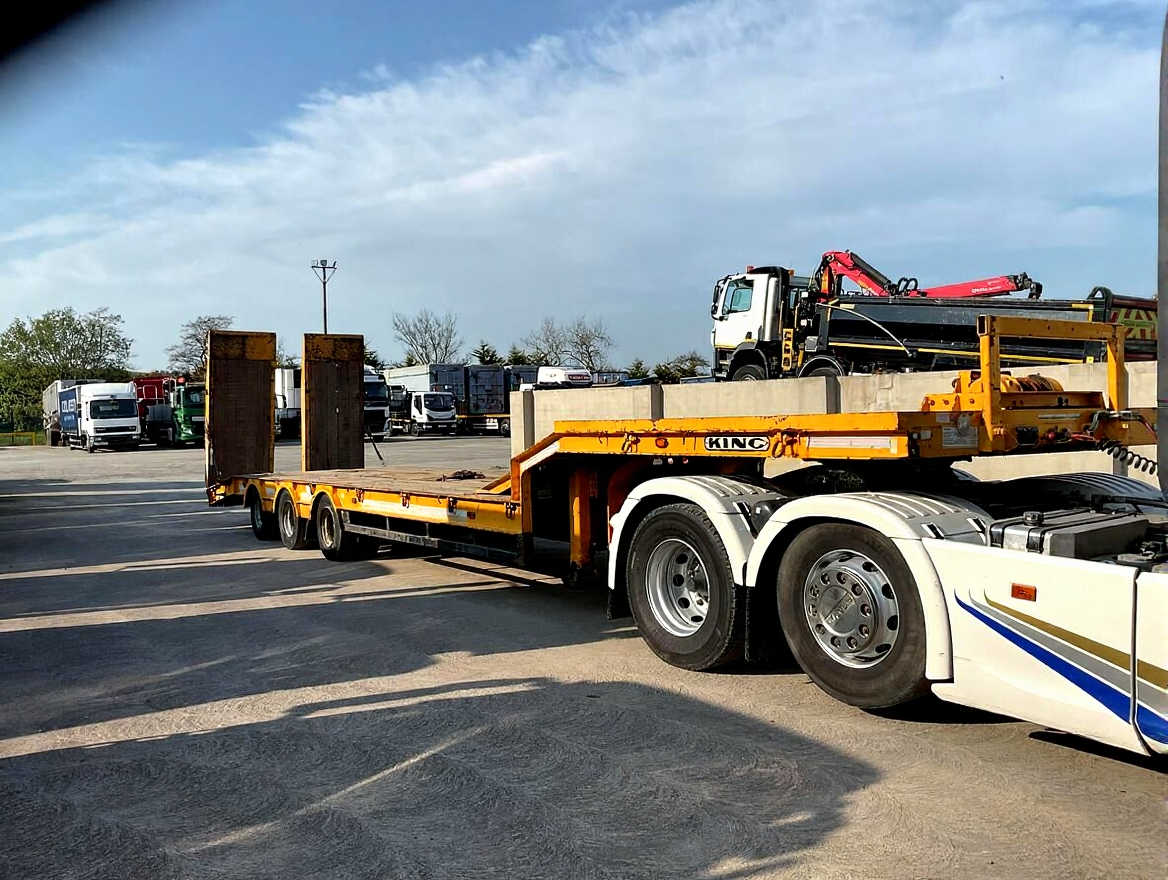
Inspect and Maintain Suspension Components
Your trailer’s suspension system takes a constant beating from Australian roads. From corrugated outback tracks to potholed city streets, suspension components work overtime to protect your cargo and maintain stability.
Understanding Suspension Wear
Three axle trailers use various suspension types, including leaf springs, air ride, and mechanical suspensions. Each type has specific maintenance requirements, but all benefit from regular visual inspections. Look for cracked or broken springs, worn bushings, and damaged shock absorbers. Air ride systems need additional checks of airbags, levelling valves, and air lines.
Australian road conditions are particularly harsh on suspension components. The combination of heat, dust, and rough surfaces accelerates wear. If you frequently travel on unsealed roads, consider more frequent suspension inspections – perhaps every 5,000 kilometres rather than the standard 10,000.
While basic visual checks can be done yourself, comprehensive suspension assessments often require professional total trailer care. Specialists have the equipment to properly measure suspension geometry and identify worn components that might not be obvious to the untrained eye. A combination of regular DIY checks and periodic professional inspections gives you the best protection against unexpected failures.
Don’t Neglect Tyre Care and Rotation
Tyres are your trailer’s only contact with the road, making them critical for safety and efficiency. Proper tyre maintenance extends their lifespan, improves fuel economy, and reduces the risk of dangerous blowouts.
Tyre Maintenance Essentials
Start with regular pressure checks – at least weekly for trailers in constant use. Under-inflated tyres generate excessive heat and wear unevenly, while over-inflation reduces traction and makes tyres more susceptible to damage. Always check pressures when tyres are cold for accurate readings.
Inspect tyres for cuts, bulges, and embedded objects during your walkaround checks. Pay attention to tread depth and wear patterns too. Uneven wear often indicates alignment issues, suspension problems, or incorrect tri axle loads. Catching these signs early allows you to address underlying issues before they cause premature tyre failure.
Tyre rotation is particularly important for three axle trailer setups. The axles don’t all wear equally – typically, the rear axle experiences more scrubbing during turns. Rotating tyres every 15,000 to 20,000 kilometres helps even out wear and extends overall tyre life. For Australian conditions, with our long distances and varied road surfaces, sticking to a consistent rotation schedule really pays off.
Implement a Comprehensive Maintenance Trailer Schedule
Random, reactive maintenance is a recipe for unexpected breakdowns and expensive repairs. Creating a structured maintenance trailer schedule keeps you organised and ensures nothing gets overlooked.
Creating Your Preventative Maintenance Checklist
Start by documenting all maintenance tasks and their recommended intervals. Include daily checks like lights, tyres, and brake function alongside weekly, monthly, and annual tasks. Your checklist should cover everything from greasing pivot points to checking electrical connections.
What does total trailer care actually include? Beyond the obvious mechanical components, comprehensive maintenance covers structural integrity checks, lighting systems, coupling equipment, and safety features like reflectors and mudguards. A proper total trailer care program addresses every system that affects safety and performance.
Keeping accurate maintenance records isn’t just good practice – it’s often a legal requirement for commercial operations in Australia. Document every service, inspection, and repair with dates, odometer readings, and details of work performed. These records prove compliance during audits and help identify recurring issues that might indicate underlying problems. Plus, well-documented maintenance history adds value if you ever sell your trailer.
Conclusion
Maintaining your tri axle tag trailer doesn’t have to be complicated, but it does require consistency and attention to detail. By prioritising regular trailer axle service, staying on top of brake maintenance, inspecting suspension components, caring for your tyres, and implementing a comprehensive maintenance schedule, you’ll keep your trailer safe and reliable for years to come.
The investment you make in proper trailer maintenance pays dividends through reduced repair costs, less downtime, and improved safety for everyone on the road. Think of it as protecting your business – because a well-maintained trailer is a productive trailer.
So, take these tips on board and make them part of your regular routine. Your future self will thank you when you’re still running smoothly while others are stuck on the roadside waiting for a tow. Stay safe out there, and happy hauling!




 Lifestyle AU News
Leave a comment