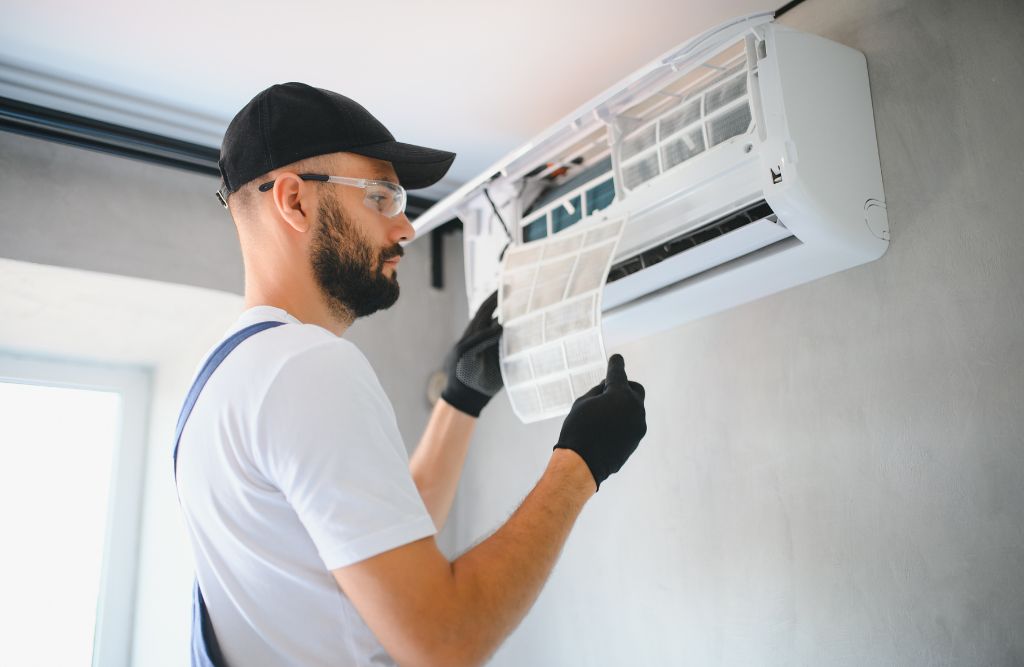
Ever wondered why your energy bills seem to skyrocket during summer and winter? Are you constantly fiddling with your thermostat, trying to find that sweet spot between comfort and cost? You’re not alone. For homeowners across Australia, managing heating and cooling systems efficiently is a year-round challenge that affects both your wallet and your comfort levels.
Getting your heating and cooling right isn’t just about staying comfortable. It’s about making smart choices that save you money while reducing your environmental footprint. Whether you’re dealing with scorching Drouin summers or those chilly winter mornings, understanding how to use your system effectively can make a massive difference to your energy consumption.
In this guide, we’ll walk you through everything you need to know about maximising your heating and cooling efficiency. From understanding different system types to seasonal strategies, maintenance tips, and common mistakes to avoid, you’ll come away with practical knowledge you can put to work straight away. Let’s get stuck into it.
Understanding Your Heating and Cooling System
Before you can improve your efficiency, you need to understand what you’re working with. Australian homes typically feature several popular heating and cooling options, including split systems, ducted systems, evaporative coolers, and reverse-cycle air conditioners. Each has its own strengths and works differently depending on your home’s layout and your local climate.
So how do these systems actually work? Most modern units operate on the principle of heat transfer. In summer, they remove warm air from inside your home and release it outside. In winter, reverse-cycle systems do the opposite, extracting heat from outdoor air and bringing it indoors. It’s clever stuff, and understanding this basic principle helps you use your system more effectively.
What Is the Best Heating and Cooling System Melbourne Homeowners Should Consider?
When it comes to finding the best heating and cooling system Melbourne residents should look for, reverse-cycle split systems often come out on top. They’re versatile, energy-efficient, and perfect for our variable climate. Ducted systems are brilliant for larger homes where you want consistent temperatures throughout. For those in Drouin and surrounding areas, consulting with a local professional helps you choose the right fit for your specific needs.
Seasonal Strategies for Year-Round Efficiency
Summer Cooling Tips
Australian summers can be brutal, but there are smart ways to keep cool without breaking the bank. The optimal temperature setting for summer cooling sits around 24-25°C. Every degree lower than this can increase your energy consumption by roughly 10%, so resist the temptation to crank it down to arctic levels.
How can you reduce your cooling costs in summer? Try these practical tips:
– Close blinds and curtains during the hottest parts of the day
– Use ceiling fans alongside your air conditioning to circulate cool air
– Avoid using heat-generating appliances like ovens during peak heat
– Pre-cool your home in the morning before temperatures climb
Winter Heating Tips
Getting the most from your heating system during cold months requires a similar strategic approach. Set your thermostat between 18-20°C for comfortable warmth without excessive energy use. Dress warmly indoors and use blankets before reaching for that temperature dial.
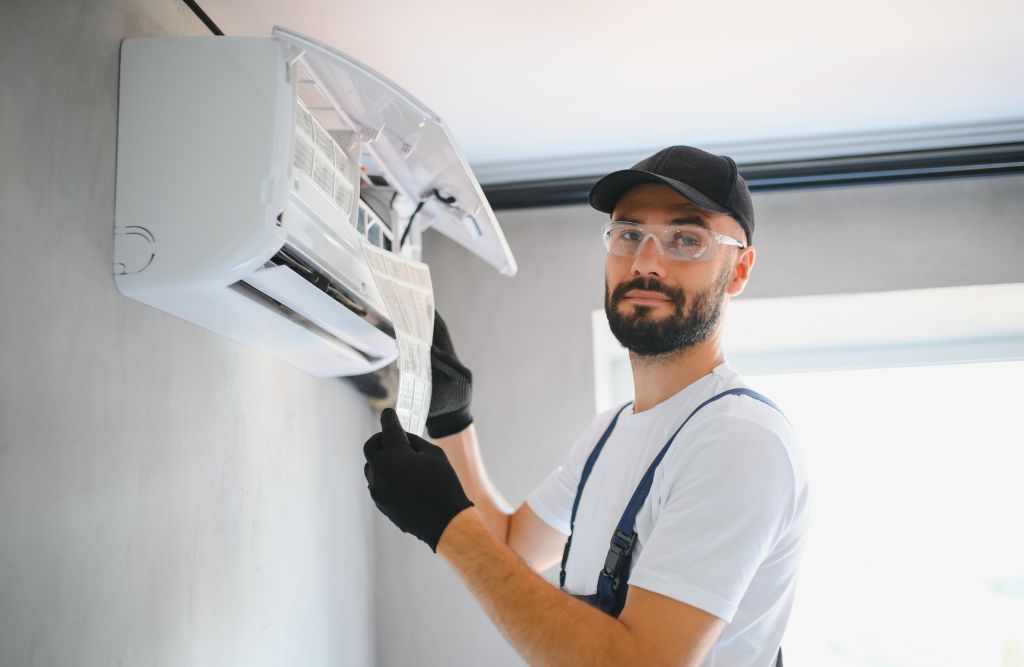
What temperature should you set your heater to in winter? Around 18-20°C strikes the perfect balance. At night, dropping it a few degrees saves energy while you’re snug under the covers anyway.
Managing the In-Between Seasons
Autumn and spring present their own challenges. These transitional periods often feature unpredictable weather, making it tricky to know when to switch between heating and cooling. A good rule of thumb is to rely on natural ventilation whenever possible during these milder months. Open windows during pleasant mornings and evenings and only fire up your system when genuinely necessary.
Smart Habits That Lower Your Energy Bills
Is it cheaper to leave heating and cooling on all day? This is one of the most common questions homeowners ask. The short answer is no. Running your system constantly wastes energy, especially when nobody’s home. Instead, use timers to switch on your system 30 minutes before you arrive home.
Zoning your home is another brilliant way to maximise efficiency. Why heat or cool rooms you’re not using? Close doors to unused spaces and focus your system’s efforts where you spend time. Many modern ducted systems allow you to control different zones independently.
Thermostats and timers play a crucial role in efficiency. Programmable thermostats let you set schedules that match your lifestyle, automatically adjusting temperatures throughout the day. Smart thermostats take this further, learning your habits and optimising settings accordingly.
Maintenance Tips to Keep Your System Running Smoothly
How often should you service your heating and cooling system? Experts recommend professional servicing at least once a year, ideally before the season when you’ll use it most. This keeps everything running efficiently and catches small problems before they become expensive repairs.
There’s plenty of simple DIY maintenance you can tackle yourself:
– Clean or replace filters every 1-3 months
– Keep outdoor units clear of debris and vegetation
– Wipe down vents and registers regularly
– Check that nothing’s blocking airflow around indoor units
Watch for signs your system needs professional attention. Unusual noises, strange smells, inconsistent temperatures, or sudden increases in energy bills all suggest something’s not right. Don’t ignore these warning signs—addressing issues early saves money in the long run.
Choosing the Right System for Your Home
Selecting the correct system involves several considerations. What size heating and cooling system do you need? This depends on your home’s size, ceiling height, insulation quality, and window placement. An undersized system works overtime and wears out faster, while an oversized one cycles too frequently and wastes energy.
When comparing ducted vs split systems, efficiency depends on your situation. Split systems are generally more efficient for cooling specific rooms, while ducted systems excel at maintaining consistent temperatures throughout larger homes. For many Australian households, a combination of both offers the best results.
Energy ratings tell you a lot about a system’s efficiency. Look for high star ratings on the energy label—the more stars, the less energy consumed. Don’t forget to check both heating and cooling ratings, as they can differ significantly.
Common Mistakes That Waste Energy
Are you making these heating and cooling errors? Many homeowners unknowingly sabotage their efficiency through simple mistakes. Setting temperatures too extreme, neglecting maintenance, and failing to use curtains and blinds effectively all contribute to wasted energy.
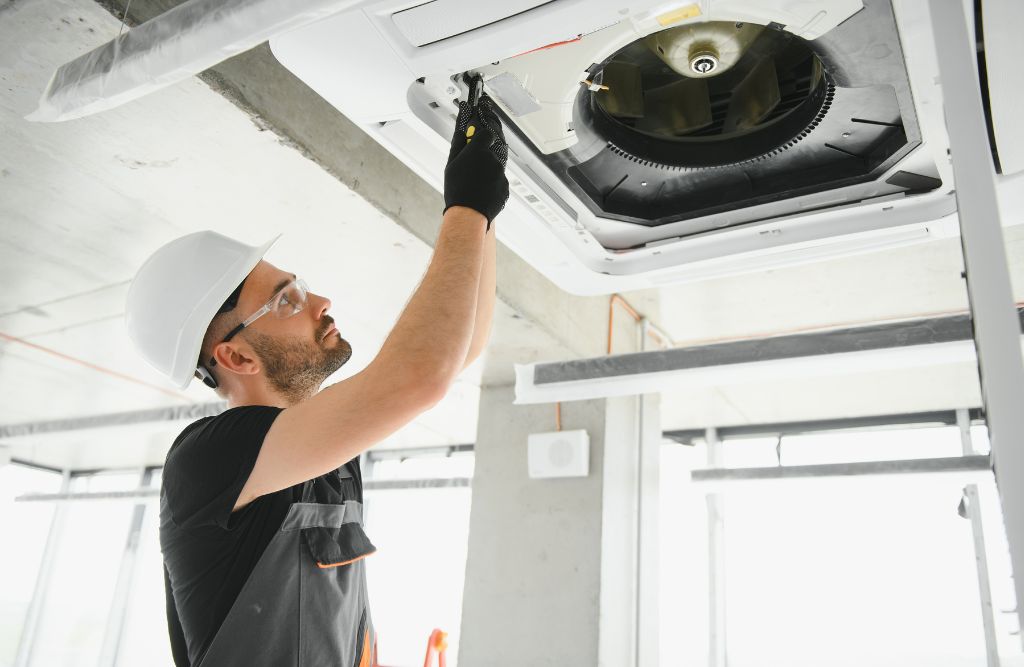
Poor insulation dramatically affects your system’s efficiency. If your home leaks air like a sieve, even the best heating and cooling system Melbourne can offer will struggle to maintain comfortable temperatures. Check your insulation levels, seal gaps around doors and windows, and consider adding weather stripping where needed.
Other common mistakes include:
– Running systems with doors and windows open
– Blocking vents with furniture
– Forgetting to adjust settings when seasons change
– Ignoring thermostat placement (keep them away from heat sources)
Keeping Your Home Comfortable Year-Round
Managing your heating and cooling efficiently throughout the year isn’t rocket science, but it does require attention and good habits. By understanding your system, adopting seasonal strategies, maintaining your equipment, and avoiding common mistakes, you’ll enjoy better comfort while keeping your energy bills in check.
The key takeaways are straightforward: set sensible temperatures, maintain your system regularly, use zoning and timers wisely, and make sure your home’s insulation is up to scratch. These simple steps add up to significant savings over time.
If you’re in Drouin and need professional advice or service, don’t hesitate to reach out to a local heating and cooling specialist. They’ll assess your specific situation and help you get the most from your system. Your comfort—and your wallet—will thank you for it.



 Lifestyle AU News
Leave a comment