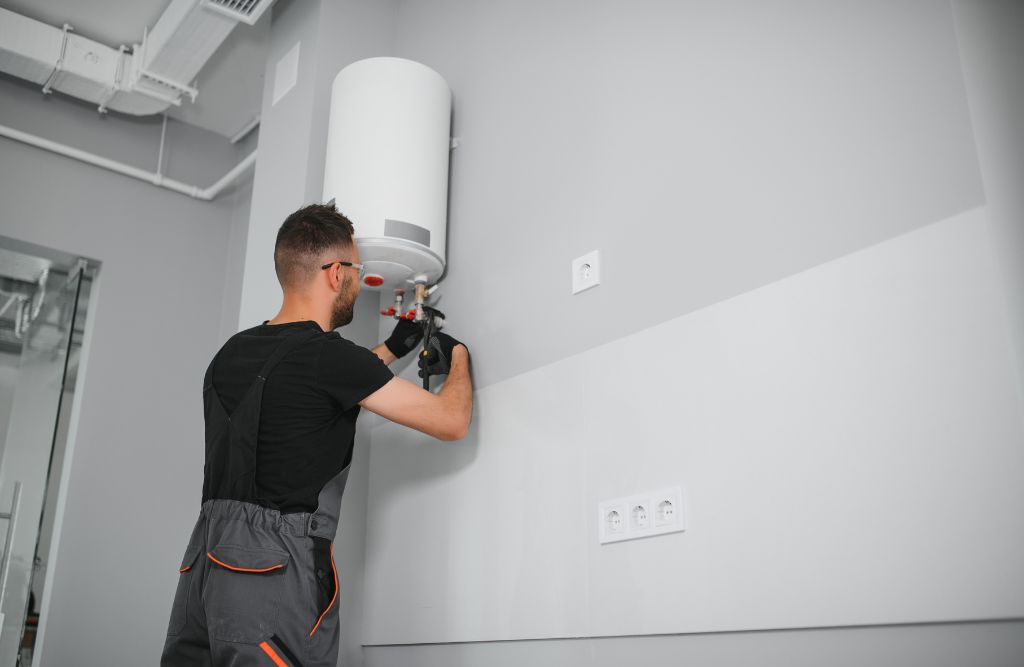
Ever stepped into the shower expecting that lovely warm cascade, only to be hit with an icy blast? Have you noticed your gas hot water system making strange gurgling sounds that keep you up at night? Or perhaps you’re dealing with frustratingly low water pressure that turns your morning routine into a drawn-out ordeal?
When your hot water system stops working, it’s more than just an inconvenience—it disrupts your entire household. From washing dishes to taking showers, we rely on hot water far more than we realise until it’s gone. The good news is that many common issues can be diagnosed and sometimes even fixed without immediately calling in the professionals. Understanding how your system works puts you in a much better position to tackle problems head-on.
In this comprehensive guide, we’ll walk you through everything from basic troubleshooting to advanced repair techniques for gas hot water systems. You’ll learn how to diagnose common issues, understand when it’s safe to attempt repairs yourself, and recognise when it’s time to call a qualified gas heater plumber. We’ll also cover essential maintenance tips to prevent future breakdowns, including how to flush your hot water system properly. Whether you’re in Brisbane, Adelaide, or anywhere else across Australia, this guide will help you keep that hot water flowing.
Understanding Your Gas Hot Water System
How Gas Hot Water Systems Work in Australian Homes
Gas hot water systems are incredibly popular across Australia, and for good reason. They’re efficient, cost-effective, and reliable when properly maintained. But understanding how they work helps you troubleshoot when things go wrong.
At its core, your system heats water using natural gas or LPG. Cold water enters the tank, where a gas burner heats it to your desired temperature. A thermostat monitors the water temperature and signals the burner to ignite when heating is needed. The heated water then rises to the top of the tank, ready for use.
Common Components That Require Maintenance and Repair
Several key components keep your system running smoothly. The thermocouple is a safety device that detects whether the pilot light is lit. The anode rod protects your tank from corrosion. The pressure relief valve prevents dangerous pressure build-up. Additionally, the gas control valve regulates fuel flow to the burner.
Understanding these components helps when diagnosing water heater trouble. Regular hot water system maintenance on these parts can extend your system’s lifespan significantly and prevent unexpected breakdowns.
Why Is My Hot Water System Not Working? Diagnosing Common Issues
No Hot Water at All: What to Check First
When your hot water system stopped working completely, don’t panic. Start with the basics. Check whether your gas supply is connected and turned on. Verify that other gas appliances in your home are working. If they’re not, you might have a broader gas supply issue.
Next, check your pilot light. If it’s out, this is often the culprit behind a broken hot water system. We’ll cover relighting procedures shortly but remember—safety always comes first.
Low Water Pressure in Your Hot Water Heater: Causes and Solutions
Dealing with low water pressure hot water heater issues can be frustrating. Common causes include sediment build-up in your tank, partially closed valves, or problems with your home’s plumbing. Check that all isolation valves are fully open.
Sediment accumulation is particularly common in areas with hard water. This build-up restricts water flow and reduces heating efficiency. Regular flushing helps prevent this problem—more on that later.
Pilot Light and Ignition Problems
A faulty pilot light is one of the most common reasons for hot water system not working Australia-wide. If your pilot light won’t stay lit, the thermocouple might need replacement. Dirty burner components can also cause ignition failures.
Listen carefully when attempting to light your system. You should hear a clicking sound followed by ignition. If there’s no click, the igniter might be faulty.
Strange Noises and What They Mean
Rumbling, popping, or banging sounds often indicate sediment build-up on the tank bottom. When water heats beneath this layer, it creates these unsettling noises. A high-pitched whining might suggest a partially closed valve or water pressure issues.
How to Fix Hot Water Not Working: Step-by-Step Troubleshooting
Safe Preliminary Checks Before You Begin
Before attempting any fix water heater repairs, prioritise safety. Never attempt to repair gas lines yourself—this requires licensed professionals. Ensure your area is well-ventilated. If you smell gas, leave immediately and contact your gas supplier.
Turn off the gas supply at the isolation valve before inspecting any components. Keep a torch handy and work in good lighting conditions.
Resetting Your Gas Hot Water System
Many modern systems have a reset function. Locate your control panel and look for a reset button. Turn the gas control knob to the pilot position, then press and hold while igniting the pilot. Hold for 30-60 seconds before releasing.
If the pilot light stays lit, turn the knob to the “on” position. Wait 10-15 minutes for the water to begin heating. This simple reset often resolves minor issues and gets your system running again.
When to Call a Gas Heater Plumber
Some repairs are definitely not DIY territory. Call a professional if you smell gas, notice visible damage to gas lines, or if repeated reset attempts fail. Gas and hot water repairs involving internal components should always be handled by qualified technicians.
A licensed plumber in Brisbane or your local area will have the proper equipment and training to diagnose and fix gas water heater issues safely.
How to Flush a Hot Water System Australia
Why Flushing Your System Matters
Learning how to flush hot water system Australia homeowners often overlook is crucial for system longevity. Sediment naturally accumulates in your tank over time, reducing efficiency and potentially causing damage. Regular flushing removes this build-up.
Flushing improves heating efficiency, extends tank life, and can resolve issues with strange noises or discoloured water.
Tools You’ll Need
Gather a garden hose, adjustable wrench, and a bucket before starting. You’ll also need safety gloves—the water will be hot! Having towels nearby helps manage any spillage.
Complete Flushing Process: Draining Your Hot Water Heater Safely
First, turn off the gas supply and allow water to cool for several hours. Connect your hose to the drain for hot water heater valve at the tank’s base. Run the hose to an appropriate drainage point outdoors.
Open the drain valve and let water flow until it runs clear. This removes accumulated sediment. Close the valve, disconnect the hose, and refill the tank before relighting the pilot. Perform this maintenance annually for optimal results.
Advanced Gas Line Repair and Gas Maintenance Techniques
Identifying Gas Line Issues
Gas line repair is strictly professional territory, but knowing the warning signs helps. Look for hissing sounds near connections, the distinctive rotten egg smell of gas, or dead vegetation near underground lines.
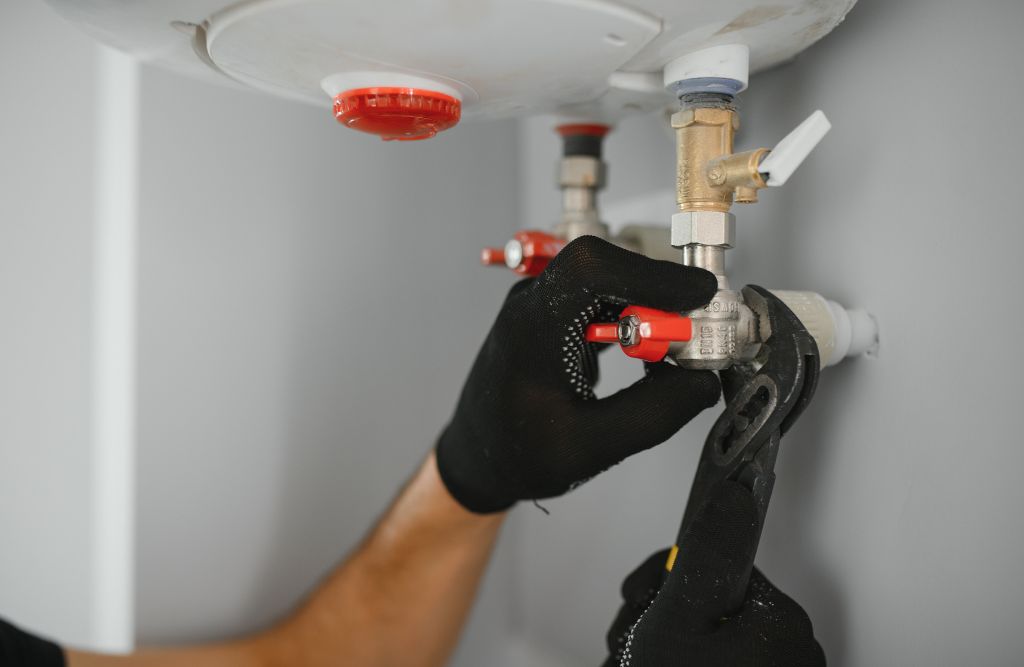
If you suspect a leak, evacuate immediately. Don’t use electrical switches or create any sparks. Contact your gas supplier’s emergency line right away.
Professional Gas Maintenance Services: What to Expect
Regular gas maintenance services keep your system safe and efficient. Technicians will inspect all connections, test safety devices, and check burner performance. They’ll also verify proper ventilation and combustion.
Expect a thorough inspection of your thermocouple, anode rod, and pressure relief valve. Professional gas maintenance typically takes 30-60 minutes.
Repairing Gas Appliances: Safety Considerations
When you repair gas appliance components, licensed professionals must handle anything involving gas lines or connections. DIY repairs should be limited to non-gas components like replacing sacrificial anodes or cleaning accessible parts.
Always follow manufacturer guidelines and maintain proper documentation of any repairs for warranty purposes.
Hot Water System Maintenance: Preventing Future Breakdowns
Essential Routine Maintenance Tasks
Preventing a broken hot water system starts with regular maintenance. Test your pressure relief valve monthly by lifting the lever briefly—water should flow freely. Inspect visible pipes for corrosion or leaks quarterly.
Check your anode rod annually. This sacrificial component protects your tank from corrosion. When significantly depleted, replacement is essential to prevent tank damage.
Seasonal Maintenance Tips for Australian Climates
Australian weather varies dramatically by region. In cooler months, insulate exposed pipes to prevent heat loss. During summer, check that your system’s ventilation isn’t blocked by debris or vegetation.
If you’re in areas like Glenelg or similar coastal regions, salt air accelerates corrosion. Hot water repairs Glenelg residents need often involve addressing salt-related damage, so more frequent inspections are advisable.
Repair or replace? Making the Right Decision
Signs You Need a Gas Water Tank Repair
Several indicators suggest repair is the right choice. If your system is under 8-10 years old and the issue is isolated, fixing gas water heater problems usually makes economic sense. Minor leaks from valves, thermocouple failures, and sediment issues are all repairable.
Get a professional assessment to understand repair costs versus replacement value.
When Replacing a Hot Water Heater Makes More Sense
Consider replacing a hot water heater when repair costs exceed 50% of replacement value. Frequent breakdowns, significant tank corrosion, or systems over 12-15 years old typically warrant replacement.
Newer systems offer improved efficiency, potentially reducing your energy bills significantly.
Hot Water Boiler Replacement: What’s Involved
Hot water boiler replacement is a significant undertaking. A qualified technician will disconnect and remove your old unit, install the new system, and ensure all connections meet current safety standards.
Expect the process to take several hours. Your technician will test everything thoroughly before leaving and explain optimal settings for your household needs.
Finding Reliable Help: Choosing a Qualified Plumber
What to Look for in Gas and Hot Water Specialists
When hiring professionals to fix heater issues, verify their gas fitting licence. Check online reviews and ask for references. Reputable companies like The Brisbane Plumbers provide transparent pricing and stand behind their work.
Ensure they offer emergency services—water heater trouble rarely happens at convenient times!
Questions to Ask Before Hiring
Before committing, ask about their experience with your specific system type. Request a detailed quote covering labour, parts, and any additional charges. Confirm their response times and availability.
Ask whether they offer ongoing maintenance packages. Regular professional servicing can prevent costly emergency repairs.
Keeping Your Hot Water Flowing
Dealing with water heater fixing challenges doesn’t have to be overwhelming. By understanding your system’s basics, performing regular maintenance, and knowing when to call professionals, you’ll minimise disruptions and extend your system’s lifespan significantly.
The key takeaway? Prevention beats cure every time. Regular flushing, annual inspections, and prompt attention to minor issues help prevent major breakdowns and costly replacements. If your unit is gas-powered and showing signs of trouble, arranging timely gas hot water system repairs Melbourne homeowners rely on can make all the difference between a quick fix and a full system failure.
Whether you’re facing a complete system shutdown or just niggling pressure issues, you’re now equipped with the knowledge to act. Keep this guide handy for reference, and remember—when in doubt, calling a qualified professional is always the safest choice. Your hot water system works hard for you every day; give it the care it deserves, and it’ll keep those warm showers coming for years to come.



 Lifestyle AU News
Leave a comment