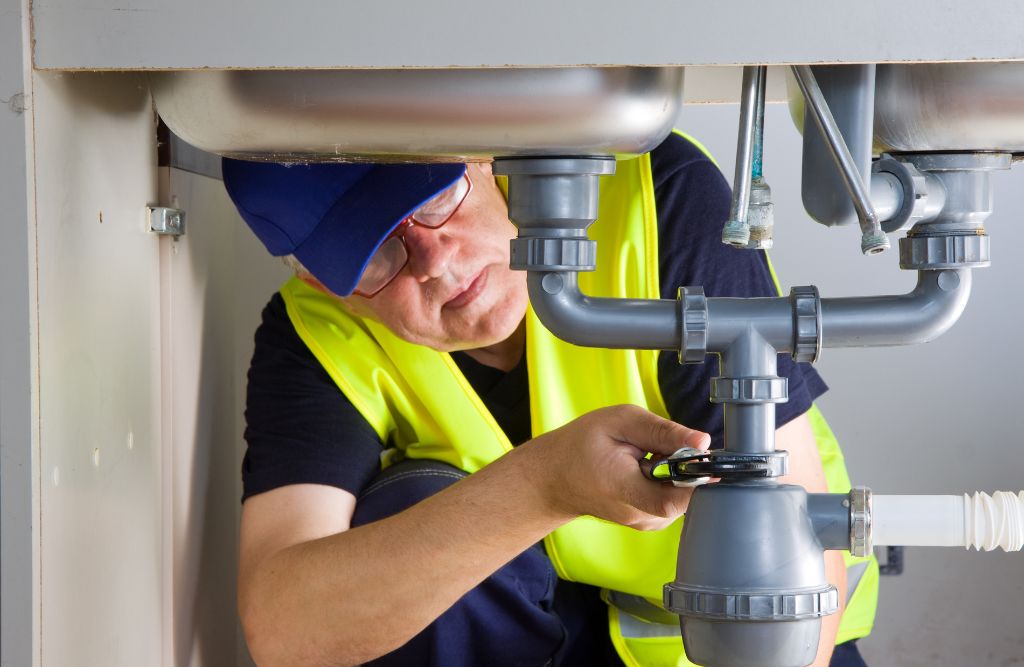
When something goes wrong with your plumbing, it rarely happens at a convenient time. From leaking taps to burst pipes and blocked drains, plumbing issues can quickly disrupt your home or business. This is where a qualified plumber becomes essential. A professional plumber not only fixes problems efficiently but also ensures your plumbing system remains safe, compliant, and reliable for the long term.
In this guide, we’ll explore what a plumber does, the services they offer, common problems they solve, and how to choose the right plumber for your needs.
What Does a Plumber Do?
A plumber is a trained tradesperson who installs, repairs, and maintains water supply systems, drainage systems, and gas lines in residential, commercial, and industrial properties.
Their work typically includes:
- Installing new pipes, fixtures, and appliances
- Repairing leaks, broken pipes, and faulty fittings
- Clearing blocked drains and toilets
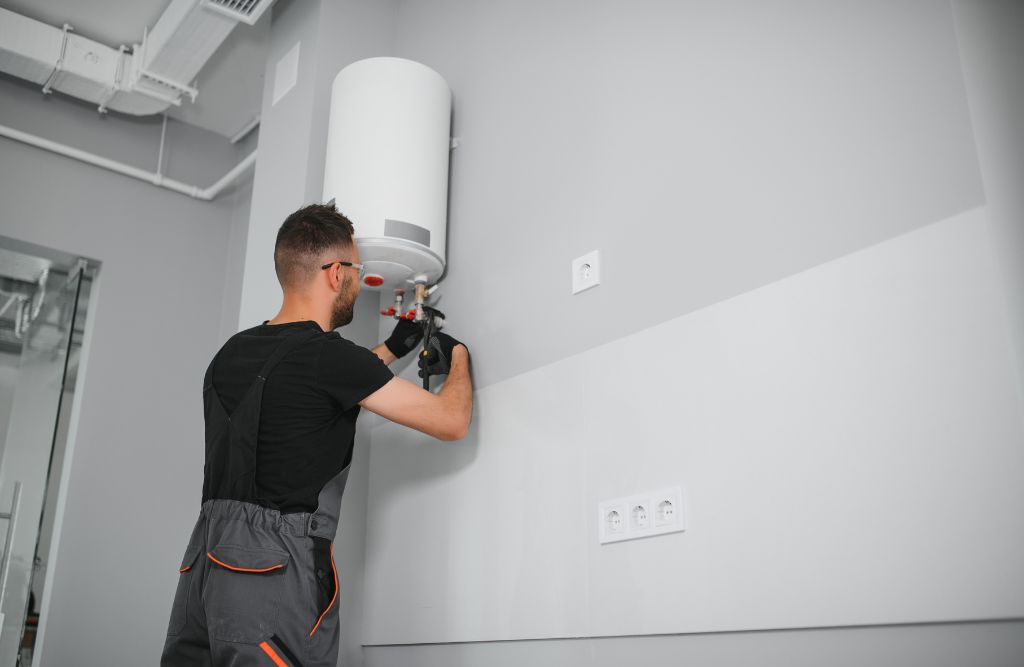
- Servicing and repairing hot water systems
- Ensuring plumbing systems meet safety and building regulations
Whether you’re building a new home, renovating a bathroom, or dealing with an emergency, a professional plumber has the skills and equipment to handle the job correctly.
Common Plumbing Problems a Plumber Can Fix
Most households experience plumbing issues at some point. A qualified plumber can diagnose and resolve a wide range of problems, including:
Leaking Taps and Pipes
Dripping taps and hidden pipe leaks waste water and increase your utility bills. Over time, they can also cause structural damage and mould growth.
Blocked Drains and Toilets
Grease, hair, food waste, and foreign objects often cause blockages. A plumber uses specialised tools to clear drains safely without damaging your pipes.
Low Water Pressure
Poor water pressure may be caused by mineral buildup, faulty valves, or hidden leaks. A plumber can identify the cause and restore proper flow.
Hot Water System Failures
No hot water is more than an inconvenience. Plumbers repair and replace gas, electric, and solar hot water systems to get your supply running again.
Types of Plumbing Services Offered
Professional plumbers provide a wide range of services to suit different needs.
General Plumbing Maintenance
Regular servicing helps prevent major breakdowns and extends the life of your plumbing system.
Emergency Plumbing Services
Burst pipes, overflowing toilets, and gas leaks require urgent attention. Many plumbers offer 24/7 emergency call-outs.
Drain Cleaning and CCTV Inspections
Advanced equipment allows plumbers to inspect pipes internally and locate hidden blockages or damage.
Gas Fitting and Appliance Installation
Licensed plumbers safely install and service gas appliances, ensuring compliance with safety regulations.
Bathroom and Kitchen Renovations
From relocating pipes to installing new fixtures, plumbers play a key role in renovation projects.
Why Hiring a Professional Plumber Matters
Attempting DIY plumbing repairs can often make problems worse. Hiring a qualified plumber offers several important benefits.
Safety and Compliance
Licensed plumbers follow local building codes and safety standards, reducing the risk of leaks, flooding, and gas hazards.
Long-Term Cost Savings
Correct repairs prevent repeat problems and expensive future damage.
Proper Tools and Techniques
Professional plumbers use specialised equipment to diagnose and fix issues accurately.
Warranty and Insurance Protection
Most licensed plumbers provide warranties on their work and carry insurance for your peace of mind.
How to Choose the Right Plumber
Not all plumbers offer the same level of service. Here’s how to find a reliable professional:
- Check licences and certifications
- Look for experience in the services you need
- Read online reviews and testimonials
- Ask for transparent pricing and written quotes
- Confirm availability for emergencies
A trustworthy plumber communicates clearly, arrives on time, and stands behind their work.
Cost of Hiring a Plumber
Plumbing costs vary depending on the type of job and its complexity.
Factors That Affect Pricing
- Nature of the problem
- Time required to complete the job
- Parts and materials needed
- Emergency or after-hours service
Typical Costs
Simple repairs like tap replacements are usually affordable, while major pipe replacements or hot water system installations cost more.
Emergency vs Standard Call-Out Fees
Emergency services often attract higher rates due to urgency and after-hours work.
Choosing a plumber who offers upfront pricing helps avoid unexpected expenses.
Emergency Plumber: When Time Matters
Some plumbing problems cannot wait.
Signs You Need an Emergency Plumber
- Burst or severely leaking pipes
- No water supply
- Overflowing toilets or sewage backups
- Gas smells or suspected gas leaks
What to Do Before the Plumber Arrives
- Turn off the main water supply
- Switch off gas or electricity if necessary
- Clear the affected area to prevent further damage
Having access to a reliable emergency plumber can save your property from costly repairs.
Preventative Plumbing Maintenance Tips
Preventative maintenance reduces the risk of sudden breakdowns.
- Schedule regular plumbing inspections
- Avoid pouring grease and oils down drains
- Use drain strainers to catch debris
- Check for small leaks and fix them early
- Service hot water systems annually
Small steps today can prevent major plumbing emergencies tomorrow.
Conclusion: Find a Trusted Local Plumber Today
A skilled plumber is essential for keeping your home or business running smoothly. From routine maintenance to emergency repairs and major installations, professional plumbing services protect your property, save you money, and ensure safety.
If you’re facing plumbing issues or planning a renovation, contact a qualified local plumber today. Regular maintenance and expert care will keep your plumbing system reliable for years to come.


 Lifestyle AU News
Leave a comment