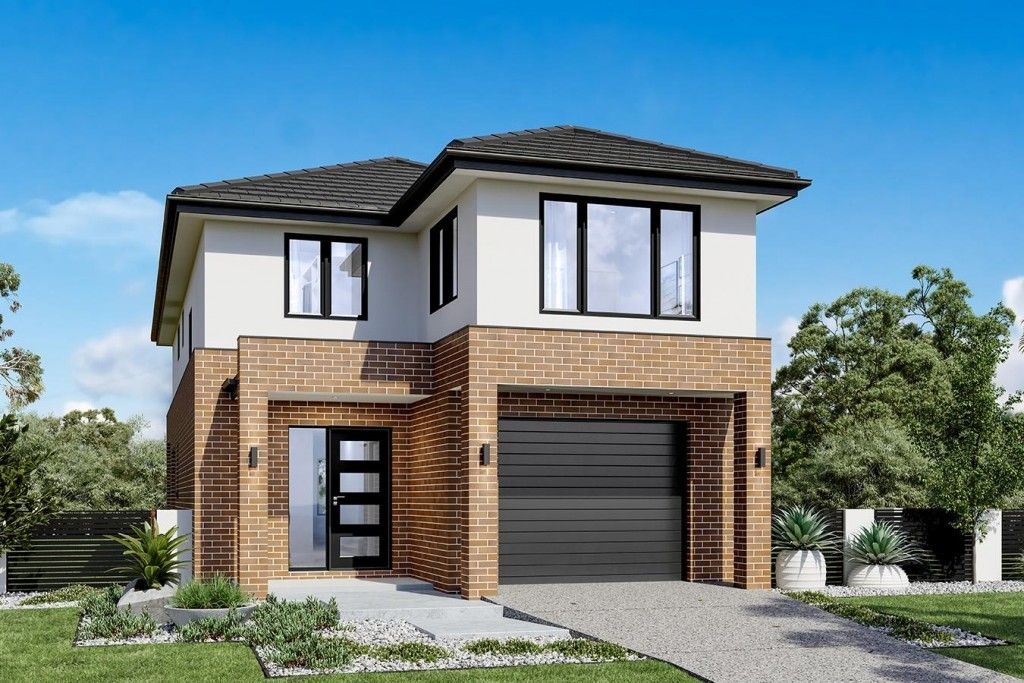
Are you considering buying land and building a house in Menangle Park? Have you spotted an attractive land and building package but feel overwhelmed by the fine print? What if there are hidden costs lurking beneath that appealing advertised price?
Purchasing land to build a house is one of the most significant financial decisions you’ll ever make. Unlike buying an established property, a house and land package involves navigating two separate contracts, understanding progress payments, and dealing with builders you’ve likely never worked with before. The stakes are high, and the process can feel daunting – but it doesn’t have to be.
In this guide, we’ll walk you through everything you need to know before putting pen to paper on a house and land package contract. From understanding how these packages actually work to conducting proper due diligence on the land itself, we’ve got you covered. You’ll learn about the financial considerations unique to home and land package loans, discover what to look for in a builder, and get a clear picture of the conveyancing process. Plus, we’ll share a final checklist so you can approach settlement day with confidence.
How Do House and Land Packages Work?
Understanding the Two-Contract Structure
So, how do house and land packages work exactly? Unlike purchasing an established home, you’re actually signing two separate contracts – one for the land and another for the building. This structure has significant implications for your finances, timelines, and legal obligations.
The land contract works similarly to any property purchase. You’ll pay a deposit, go through settlement, and take ownership of the block. The building contract, on the other hand, outlines everything related to constructing your home. These contracts may be with different companies, which adds complexity to the process.
What’s Typically Included (And What Isn’t)
Standard inclusions vary wildly between builders. Some packages include driveways and landscaping, while others leave you to sort these out yourself. Always request a detailed specifications list and don’t assume anything is included unless it’s written in the contract.
Watch out for phrases like “builder’s standard” or “allowances” – these can be vague and lead to disappointment. If you want specific fixtures, fittings, or finishes, make sure they’re explicitly stated.
Land and Building Package vs. Buying Established Property
A land and building package offer customisation that established properties simply can’t match. You’re getting a brand-new home built to current standards, often with warranties on structural elements.
However, you’ll need patience. Building takes time, and delays happen. You won’t be moving in next month. Consider whether the wait suits your circumstances before committing.
Assessing Your Financial Position
How Does a Home and Land Package Loan Differ from a Standard Mortgage?
A home and land package loan operates differently from a standard mortgage. Instead of receiving the full loan amount at settlement, funds are released progressively as construction milestones are reached.
This means your repayments typically start smaller and increase as more funds are drawn down. You’ll need to factor this into your budgeting, especially if you’re currently paying rent elsewhere.
Understanding Progress Payments and Draw-Down Facilities
Progress payments occur at key construction stages – slab, frame, lock-up, fit-out, and completion. Your lender will inspect the work before releasing each payment to the builder.
Make sure you understand when these payments occur and how much each stage costs. Some builders require larger percentages at certain stages, which affects your cash flow planning.
Calculating Your True Budget Beyond the Advertised Price
That attractive advertised price? It’s rarely the final figure. Site costs, soil testing, council fees, utility connections, and landscaping can add tens of thousands to your bottom line.
Request a comprehensive cost breakdown before signing anything. A good builder will be transparent about potential additional costs rather than surprising you later.
Researching the Location: Is Menangle Park Right for You?
Infrastructure and Future Development Plans
Menangle Park is part of Sydney’s growing south-west corridor, with significant infrastructure investment planned. Research transport links, schools, shopping centres, and healthcare facilities both current and proposed.
Understanding future development plans helps you assess whether property values might increase and whether the area will suit your lifestyle long-term.
Checking Zoning and Land Use Restrictions
Council zoning determines what can be built on and around your land. Check whether nearby blocks might become commercial developments, high-density housing, or remain residential.
Land use restrictions might also affect what you can do with your property. Some areas have heritage overlays or environmental protection requirements that limit modifications.
Comparing Other NSW Regions
Perhaps Menangle Park isn’t quite right for you? NSW offers diverse options worth exploring. Land for sale in Coffs Harbour NSW provides coastal living with a relaxed pace. Land for sale in Hunter Valley NSW suits those wanting wine country proximity.
For regional charm, land for sale in Bathurst NSW offers heritage appeal, while land for sale in Laurieton NSW delivers stunning Mid North Coast scenery. Compare multiple locations before committing.
Conducting Due Diligence on the Land
Soil Tests and Site Classifications
Soil conditions significantly impact construction costs. Different soil types require different foundation designs, and some classifications substantially increase building expenses.
Request existing soil test results or arrange your own testing. Understanding your block’s classification helps you budget accurately for site costs.
Checking for Easements, Covenants, and Encumbrances
Easements grant others access across your land – typically for utilities or drainage. Covenants restrict what you can build, including house colours, fence heights, or outbuilding placements.
These restrictions aren’t necessarily deal-breakers, but you must understand them before signing. Your conveyancer will identify these during their searches.
Understanding Land Titles and Registration Timelines
In new developments, land registration can take months after you sign the contract. This delay affects your building timeline and loan arrangements.
Clarify expected registration dates and ensure your contract includes appropriate sunset clauses protecting your interests if delays extend unreasonably.

Evaluating the Builder and Their Reputation
Are They Licensed and Insured?
Every builder must hold appropriate licensing for your state. In NSW, verify their licence through Fair Trading’s online register. Also confirm they carry adequate insurance, including home warranty insurance.
Never accept verbal assurances – request copies of current licences and insurance certificates before signing.
Reviewing Past Projects and Client Testimonials
Visit completed projects where possible. Online reviews provide insights, but speaking directly with previous clients offers more authentic feedback about communication, quality, and problem resolution.
Ask specifically about how the builder handled issues when things went wrong. Every build has challenges – what matters is how they’re resolved.
What Happens If the Builder Goes into Administration?
Unfortunately, builder insolvencies occur. Understanding your protections matters. Home warranty insurance covers incomplete work and defects if your builder fails, but there are limitations and excess payments.
Review your insurance coverage carefully and understand exactly what’s protected before signing.
Navigating House and Land Conveyancing
Why You Need a Specialist Conveyancer or Solicitor
House and land conveyancing differs from standard property transactions. The two-contract structure, progress payment arrangements, and developer-specific requirements demand specialist expertise.
Don’t simply use whoever is cheapest. A conveyancer experienced in house and land packages will identify issues that generalists might miss.
Key Contract Clauses to Review Before Signing
Pay particular attention to deposit terms, variation clauses, dispute resolution procedures, and termination rights. Understand exactly when you can walk away and what it costs.
Never rely on verbal promises. If something matters to you, ensure it’s written into the contract.
Understanding Sunset Clauses and Your Rights
Sunset clauses allow contract cancellation if certain conditions aren’t met by specified dates. These protect both parties but can be exploited by developers in rising markets.
Ensure sunset clause dates are reasonable and that notification requirements protect your interests.
Scrutinising Inclusions, Variations, and Hidden Costs
Standard Inclusions vs. Upgrades
Display homes showcase premium upgrades that aren’t included in base prices. Request detailed inclusions lists comparing standard specifications with display home features.
Understand exactly what you’re getting for the advertised price before mentally designing your dream kitchen.
Site Costs and Why Estimates Can Blow Out
Site cost “estimates” aren’t fixed prices. Actual costs depend on soil testing, slope requirements, and service connection distances. These can vary significantly from initial estimates.
Request worst-case scenario figures and ensure your budget accommodates potential increases.
Landscaping, Driveways, and Fencing Obligations
Many estates require landscaping completion within specific timeframes. Failing to comply can result in fines or developer intervention at your expense.
Include these costs in your initial budget rather than treating them as future expenses.
Common Mistakes to Avoid
Rushing Without Professional Advice
The pressure to secure popular blocks leads many buyers to rush decisions. Taking time for proper due diligence costs far less than fixing problems later.
Engage your conveyancer and building inspector before signing – not after.
Overlooking Contract Cooling-Off Periods
NSW provides cooling-off periods for property purchases, but conditions and timeframes vary. Understand your rights and act within required timeframes if problems emerge.
Failing to Factor in Holding Costs
From land settlement to building completion, you’ll pay rates, land tax (potentially), loan interest, and possibly rent elsewhere. These holding costs accumulate quickly.
Budget realistically for the entire journey, not just the headline figures.
Final Checklist Before Signing
Before signing your contract, confirm you’ve completed these essential steps:
- Reviewed both contracts with a specialist conveyancer
- Verified builder licensing and insurance
- Obtained and understood soil test results
- Confirmed all inclusions in writing
- Calculated realistic total costs including site costs and landscaping
- Understood sunset clauses and cooling-off rights
- Researched the builder’s reputation thoroughly
- Assessed location suitability for your lifestyle
- Organised appropriate loan pre-approval
Setting Yourself Up for a Stress-Free Build
Purchasing a house and land package in Menangle Park represents an exciting opportunity to create your perfect home. With proper preparation, the journey from contract signing to moving day can be genuinely enjoyable rather than stressful.
The key takeaway? Never rush this process. Take time to understand both contracts thoroughly, engage appropriate professionals, and budget realistically for the complete journey – not just the advertised price. The effort you invest now prevents headaches later.
Your dream home awaits, and you’re now equipped with the knowledge to pursue it confidently. Whether Menangle Park suits your needs or you explore other NSW locations, approaching the process with eyes wide open sets you up for success. Here’s to your exciting building journey ahead!





 Lifestyle AU News
Leave a comment