Ever wondered why some solar installations last for decades while others become headaches within months? Have you thought about what separates a trustworthy installer from one that might leave you stranded? And more importantly, do you know the questions you should be asking before signing on the dotted line?
Choosing the right solar installer is one of the most important decisions you’ll make when going solar. It’s not just about getting panels on your roof—it’s about ensuring those panels perform optimally for years to come. A quality installation can save you thousands in energy bills, while a dodgy one might cost you more than you ever expected in repairs and replacements.
In this guide, we’ll walk you through everything you need to know about selecting a solar installer in Cheltenham. From checking credentials and comparing quotes to understanding warranties and avoiding common pitfalls, you’ll have all the tools to make a confident, informed decision. Let’s get started.
What to Look for in a Solar Installer
Proper Licensing and Accreditation
First things first—any solar installer worth their salt needs proper licensing. In Australia, this means they should hold the relevant electrical licences for your state or territory. Beyond basic licensing, look for Clean Energy Council (CEC) accreditation, which is essentially the gold standard for solar installers.
CEC-accredited installers have completed specific training and agreed to follow a code of conduct. This accreditation isn’t just a fancy badge—it’s actually required if you want to claim government rebates like the Small-scale Renewable Energy Scheme (SRES). So if an installer isn’t CEC-accredited, you could miss out on significant savings.
Experience and Track Record
Experience matters enormously in solar installation. An installer who’s been in the game for five or ten years has likely encountered every roof type, electrical setup, and potential complication you can imagine. Ask how long they’ve been operating and how many installations they’ve completed.
Don’t just take their word for it, though. Request examples of previous work, particularly on properties similar to yours. A seasoned installer should be happy to share their portfolio and even provide references from past customers.
Customer Reviews and Testimonials
Online reviews are your best friend here. Check Google Reviews, ProductReview.com.au, and social media pages to see what real customers say. Look for patterns—if multiple people mention the same issue, that’s a red flag worth noting.
How Do I Know if a Solar Company Is Legit?
Checking CEC Accreditation
Verifying CEC accreditation is straightforward. Head to the Clean Energy Council’s website and use their “Find an Installer” tool. Simply enter the installer’s name or your location, and you’ll see whether they’re currently accredited. This takes about two minutes and could save you from a world of trouble.
Make sure the accreditation is current—some installers let their accreditation lapse but still advertise it. The CEC database is updated regularly, so what you see there is reliable.
Verifying Insurance and Warranties
A legitimate installer carries both public liability insurance and professional indemnity insurance. Don’t be shy about asking for certificates of currency—any reputable company will provide these without hesitation.
On warranties, look for both product warranties (covering the panels and inverters) and workmanship warranties (covering the installation itself). Workmanship warranties typically range from 5 to 10 years, and longer is generally better.
Red Flags to Watch Out For
Be wary of high-pressure sales tactics. If someone’s pushing you to sign today with claims that “this price won’t last,” step back. Legitimate installers give you time to think and compare options.
Other warning signs include vague quotes without itemised breakdowns, reluctance to provide references, and prices that seem too good to be true. If an offer sits significantly below market rate, corners are probably being cut somewhere.
Questions to Ask Before Hiring a Solar Installer
What Brands and Products Do They Offer?
Quality installers work with reputable brands. Ask which panel and inverter brands they use, and do your own research on those products. Tier 1 panel manufacturers and established inverter brands like Fronius, SMA, or Enphase are generally safe bets.
Be cautious if an installer only offers one brand or pushes heavily discounted unknown products. A good installer should explain why they recommend specific products for your situation, not just what’s cheapest or what earns them the highest margin.
Do They Handle All Permits and Paperwork?
Solar installation involves paperwork—grid connection applications, rebate claims, and local council notifications (in some areas). Your installer should handle all of this for you. It’s part of their job, and any reputable company includes this in their service.
Ask specifically about the timeline for grid connection and when you can expect your rebate to be processed. This gives you a clear picture of what happens after installation day.
What After-Sales Support Is Included?
Find out what happens if something goes wrong after installation. Will they come out to fix issues? Is there a monitoring system included? Who do you call if your panels underperform?
Some installers offer monitoring apps that let you track your system’s performance in real time. This is genuinely useful—you’ll spot problems quickly rather than discovering them on an unexpectedly high power bill months later.
Should I Get Multiple Quotes for Solar Installation?
How to Compare Solar Quotes Effectively
Absolutely get multiple quotes—three is a good number. But here’s the thing: don’t just compare the bottom-line price. Look at what each quote includes.
Compare the panel wattage, inverter brand, warranty terms, and included services. A $7,000 quote might actually be better value than a $6,000 quote if it includes superior components and a longer workmanship warranty.
Understanding What’s Included in the Price
Ask each installer to break down their quote. You should see separate costs for panels, inverters, mounting hardware, installation labour, and any additional work like switchboard upgrades.
Watch for hidden costs too. Some quotes exclude essential items like roof mounting frames or assume your switchboard doesn’t need upgrading. Getting clarity upfront prevents nasty surprises.
Local vs National Solar Installers: Which Is Better?
Benefits of Choosing a Local Installer
Local installers often provide more personalised service and faster response times. They know the local climate, council requirements, and even which roof types are common in your area. Plus, supporting local business feels good.
If anything goes wrong, a local company is just a phone call away. They can usually visit your property within days rather than weeks, which matters when your system isn’t working properly.
When a National Company Might Be the Right Fit
National companies sometimes offer competitive pricing due to bulk purchasing power. They may also provide more extensive warranty backing—a large company is less likely to disappear overnight than a small operation.
How Long Does Solar Installation Take?
Typical Timeframes in Australia
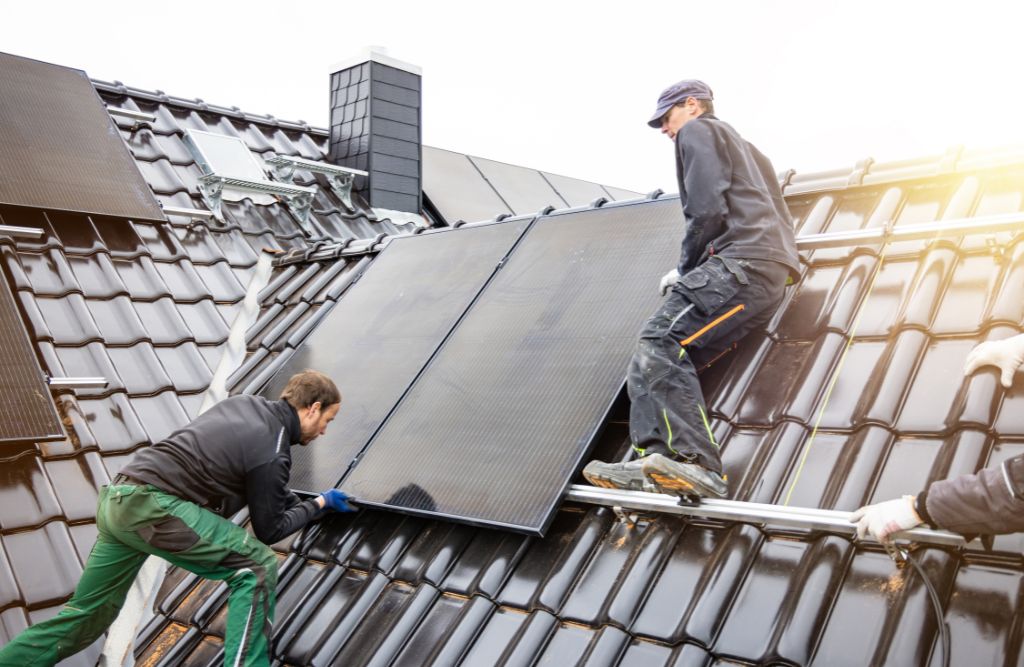
The actual installation usually takes just one to two days for a standard residential system. However, the full process—from signing the contract to flipping the switch—typically takes four to eight weeks.
Most of that time goes toward paperwork: grid connection applications, council notifications (if required), and scheduling. The physical installation is genuinely the quickest part.
Factors That Can Affect Installation Time
Complex roof layouts, asbestos roofing requiring specialist handling, or switchboard upgrades can extend installation time. Grid connection approval varies by network provider too—some are quicker than others.
If you’re in a rush, ask your installer about current lead times before signing. They should give you realistic expectations based on their current workload and your specific circumstances.
Understanding Solar Warranties and Guarantees
Product Warranties vs Workmanship Warranties
Product warranties come from manufacturers and cover defects in panels and inverters. Panels typically carry 25-year performance warranties, while inverters range from 5 to 12 years.
Workmanship warranties come from your installer and cover the installation itself—things like roof penetrations, wiring, and mounting. This warranty is crucial because installation faults cause many solar system problems.
What Happens If Your Installer Goes Out of Business?
This is a real concern in the solar industry. If your installer closes shop, their workmanship warranty becomes worthless. However, product warranties remain valid through the manufacturer.
To protect yourself, choose established installers with solid financial standing. Some installers also offer warranty insurance or back their warranties through third parties, providing extra peace of mind.
Common Mistakes to Avoid When Choosing a Solar Installer
Many homeowners focus solely on price, but the cheapest quote often means cheaper components or rushed installation. Quality matters more than saving a few hundred dollars upfront.
Another common mistake is not checking credentials thoroughly. Take those ten minutes to verify CEC accreditation and read reviews—it’s time well spent.
Finally, don’t rush the decision. High-pressure salespeople want you to sign immediately, but a solar system is a significant investment. Take your time, ask questions, and feel confident before committing.
Making a Confident Decision
Choosing the right solar installer comes down to doing your homework. Check credentials, read reviews, get multiple quotes, and ask plenty of questions. A quality installer won’t mind your curiosity—they’ll welcome it.
Remember, you’re not just buying solar panels; you’re entering a long-term relationship with your installer. Pick someone you trust to be there when you need them, whether that’s next month or in ten years. The effort you put into choosing wisely pays off in reliable performance and genuine peace of mind.
Ready to start your solar journey? Take these tips, create your shortlist, and reach out to a few installers. Your future self—and your electricity bills—will thank you for making an informed choice. Good luck!



 Lifestyle AU News
Leave a comment