
Ever wondered why your energy bills keep creeping up each summer? Or perhaps you’ve noticed your air conditioner isn’t quite keeping you as cool as it used to? Maybe you’ve even caught a whiff of something unpleasant when the system kicks in?
You’re definitely not alone. Across Australia, countless homeowners face these exact frustrations, and the culprit is often the same: poor air conditioner maintenance. The good news? Most of these issues are completely preventable with a bit of regular care and attention.
In this guide, we’ll walk you through everything you need to know about keeping your air conditioner in tip-top shape. From simple DIY tasks you can tackle this weekend to understanding when it’s time to call in the professionals, we’ve got you covered. By the end, you’ll have a clear action plan to keep your home comfortable year-round whilst saving money on energy bills and extending the life of your system.
How Often Should You Service Your Air Conditioner?
Recommended Service Intervals for Australian Climates
Given Australia’s demanding climate, your air conditioning works harder than units in milder regions. For most households, a professional service once a year is the minimum recommendation. However, if you’re running your system heavily during those scorching summer months, twice-yearly checks might be worthwhile.
The best time to schedule a professional service is during spring, just before the peak cooling season begins. This ensures your system is ready to handle the summer heat without any nasty surprises. Think of it like getting your car serviced before a long road trip.
Signs Your AC Needs Immediate Attention
Don’t wait for your scheduled service if you notice warning signs. Reduced cooling power, unusual noises, strange smells, or water leaking from the unit all warrant immediate investigation. Similarly, if your energy bills have spiked unexpectedly, your system might be working overtime due to an underlying issue.
Essential DIY Air Conditioner Maintenance Tasks
How to Clean Your Air Conditioner Filters
This is the single most important maintenance task you can do yourself. Dirty filters restrict airflow, forcing your system to work harder and use more energy. Most manufacturers recommend cleaning filters every two to four weeks during heavy use.
To clean your filters, simply remove them according to your unit’s manual, vacuum off loose dust, then wash with warm soapy water. Let them dry completely before popping them back in. It takes about ten minutes and can improve your system’s efficiency by up to 15%.
Cleaning the Outdoor Unit and Condenser Coils
Your outdoor unit needs attention too. Clear away any leaves, debris, or vegetation within at least half a metre of the unit. Good airflow around the condenser is essential for efficient operation.
You can gently hose down the exterior fins to remove built-up dirt, but avoid using high pressure as this can damage the delicate components. Always turn off the power before cleaning.
Checking and Clearing Drainage Lines
Air conditioners remove humidity from the air, which needs somewhere to go. The drainage line carries this moisture away, but it can become clogged with algae or debris over time. A blocked drain can cause water damage and create the perfect environment for mould growth.
Check your drain pan regularly and pour a cup of white vinegar down the drainage line every few months to keep things flowing freely.
Inspecting the Thermostat Settings
Sometimes the simplest solutions are the most effective. Make sure your thermostat is set correctly and consider whether its location might be affecting its readings. If it’s in direct sunlight or near a heat source, it might not accurately reflect your room temperature.
What Does a Professional Air Conditioner Service Include?
Refrigerant Level Checks
Refrigerant is the lifeblood of your air conditioning system. Too little means reduced cooling capacity; too much can damage the compressor. Only licensed technicians can legally handle refrigerants in Australia, so this is definitely not a DIY job.
A professional will check levels, test for leaks, and top up if necessary. Low refrigerant usually indicates a leak that needs repairing.
Electrical Component Inspection
Your technician will examine all electrical connections, test capacitors, and check the condition of wiring. Faulty electrical components can pose safety risks and lead to system failure. They’ll also measure voltage and current to ensure everything operates within safe parameters.
Ductwork Assessment for Split Systems
For ducted systems, professionals will inspect ductwork for leaks, blockages, or damage. Leaky ducts can waste up to 30% of cooled air before it even reaches your living spaces. Sealing these leaks dramatically improves efficiency.
Can I Service My Air Conditioner Myself?
Tasks You Can Safely Handle at Home
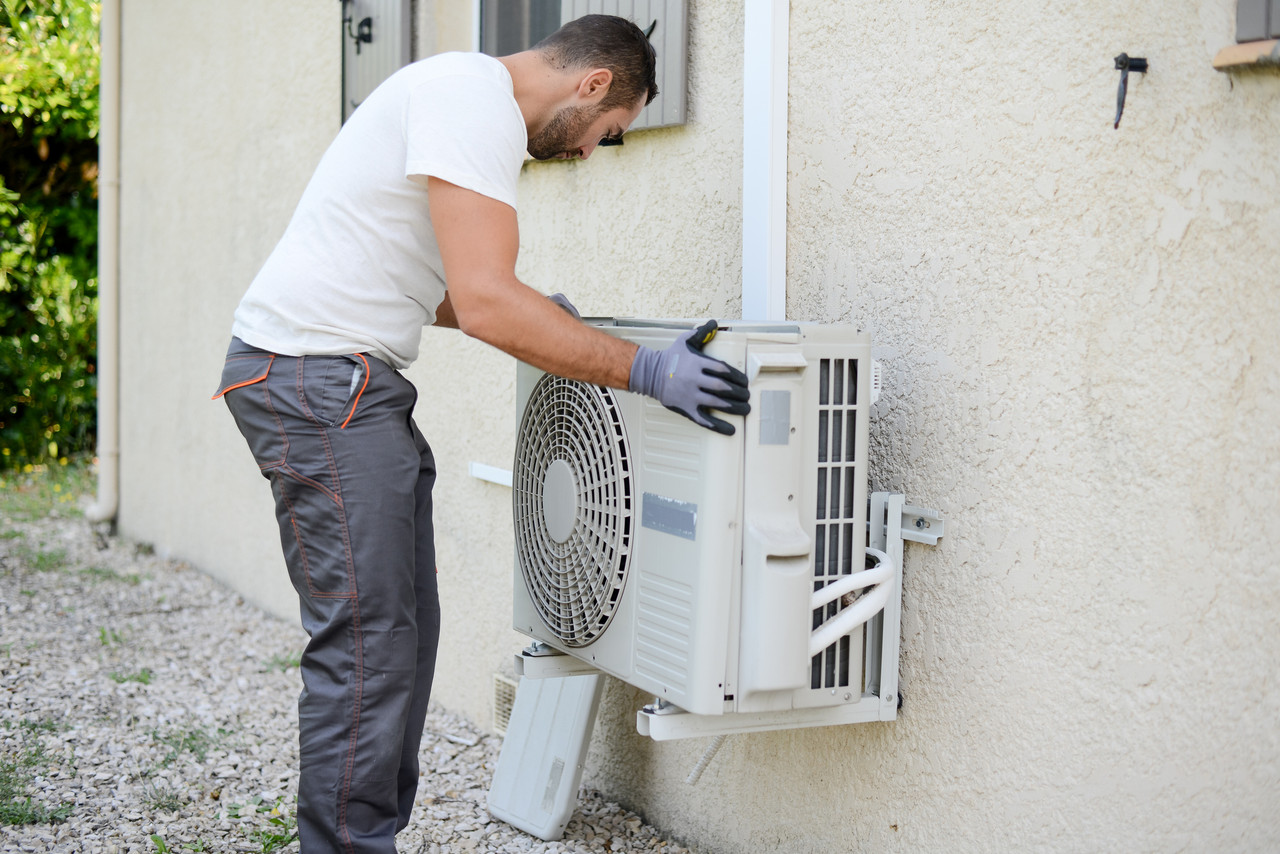
Plenty of maintenance jobs are perfectly safe for homeowners. Filter cleaning, external unit cleaning, clearing debris, and basic visual inspections are all within your capabilities. Keeping the area around your outdoor unit clear and checking that vents aren’t blocked by furniture are simple yet effective tasks.
You can also monitor your system’s performance and note any changes. This information helps technicians diagnose problems faster when professional service is needed.
When to Call a Licensed Technician
Anything involving refrigerant, electrical work, or internal components should be left to qualified professionals. In Australia, handling refrigerants without a licence is actually illegal. Plus, attempting complex repairs yourself could void your warranty and potentially cause further damage.
If your system isn’t cooling properly despite clean filters, makes unusual sounds, or shows error codes, it’s time to call in the experts.
How to Improve Air Conditioner Efficiency and Reduce Energy Bills
Optimal Temperature Settings for Australian Summers
Setting your thermostat to 24-25°C during summer strikes the ideal balance between comfort and efficiency. Every degree lower can increase energy consumption by around 10%. That’s a significant impact on your bills over an entire summer.
Use the “auto” fan setting rather than “on” to prevent the system running continuously. This simple change saves energy without sacrificing comfort.
Using Timers and Smart Controls
Modern air conditioning often include timer functions that let you cool your home before you arrive without running all day. Smart thermostats take this further, learning your habits and adjusting automatically.
Consider programming your system to ease off when you’re asleep or away. There’s no point cooling an empty house.
Sealing and Insulation Tips
Your air conditioner can only do so much if cool air is escaping through gaps and poor insulation. Check door seals, close curtains during the hottest parts of the day, and consider adding insulation to your ceiling if it’s lacking.
These improvements help your system work smarter, not harder.
Common Air Conditioner Problems and How to Prevent Them
Why Is My Air Conditioner Not Cooling Properly?
The most common culprits are dirty filters, low refrigerant, or a dirty outdoor unit. Start with the simple solutions first—clean those filters and check for any obvious obstructions. If problems persist, a professional assessment is needed.
Strange Noises and What They Mean
Rattling often indicates loose components, while squealing might suggest belt issues. Grinding sounds are more serious and could indicate motor problems. Don’t ignore unusual noises; they rarely resolve themselves and often worsen over time.
Dealing with Unpleasant Odours
Musty smells typically indicate mould or mildew growth, often in the filters or drainage system. A burning smell warrants immediate shutdown and professional inspection. Regular cleaning prevents most odour issues from developing.
Seasonal Air Conditioner Maintenance Checklist
Preparing Your AC for Summer
Before summer hits, clean or replace filters, clear the outdoor unit, test the system, and schedule a professional service if you haven’t had one recently. Addressing issues now prevents breakdowns during peak demand when technicians are hardest to book.
End-of-Season Care and Storage Tips
When cooling season ends, give your system a thorough clean. Run the fan mode for a few hours to dry internal components and prevent mould growth. Cover outdoor units if they won’t be used for extended periods, but ensure adequate ventilation.
How Long Do Air Conditioners Last With Proper Maintenance?
A well-maintained air conditioner typically lasts 15-20 years. Without regular care, you might see just 10 years or less. That’s a significant difference when you consider the cost of replacement.
Regular maintenance doesn’t just extend lifespan; it maintains efficiency throughout. An older, well-cared-for unit often outperforms a newer neglected one.
Keeping Your Cool Year-Round
Looking after your air conditioner isn’t complicated, but it does require consistent attention. The small investment of time and effort pays dividends through lower energy bills, fewer emergency repairs, and a longer-lasting system.
Start with the basics—regular filter cleaning and keeping your outdoor unit clear. Schedule an annual professional service, and don’t ignore warning signs when they appear. These simple habits will keep your home comfortable through Australia’s challenging summers.
Your air conditioner works hard to keep you cool, so give it the care it deserves. A little maintenance today prevents major headaches tomorrow. Stay cool, Australia!



 Lifestyle AU News
Leave a comment